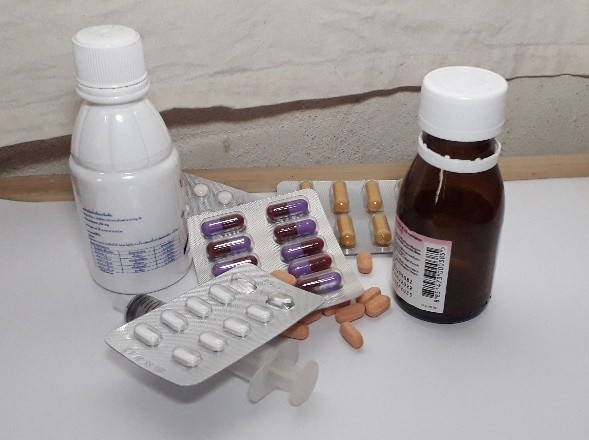
This article is written for emergency responders in the pre-hospital setting. When giving medication on the job, protocols answer most questions about when and what to give. I will still consider decision-making for taking drugs. This way we can discuss deciding over the counter drugs for yourself or for your friends and family. Finally, so we can discuss the reasoning behind drug abuse so we can better help our community and not just be an emergency responder in a uniform.
Homeostasis or “the effort to bring things into balance in the body so that the body remains in a normal state.”
What do medications do to make a problem better?
We feel sick because our body is out of balance. We learn about the function of the different systems in anatomy and physiology, and how systems work in harmony together. Then when one system or another shifts out of balance, we feel sick. Medicine often provides a temporary relief until the body can come back into balance. Most medications break or block certain functions in the body.

Imagine 2 stacks of blocks, a stack of blocks on the right side and a stack of blocks on the left side and across both stacks sits a long board, even and balanced, happy together. Then something upsets the balance bringing the right side lower than the left. We might use a medication to break the left stack of blocks down some so that it is on the same level as the right side this gives us balance again but at the cost of both being lower. Ideally, both stacks are up and balanced together without the need to pull one side down. Please consider what is wrong so that you break or pull or adjust the body’s balance in the correct direction.
Patient has something wrong with their body. → Patient is given medication. → Something happens. What? → Patient is better… are they?
Did the medication help resolve the problem? We should have good intentions when helping, but check to make sure your “help” did not actually hurt instead.
What should you look for before giving or taking a medication?
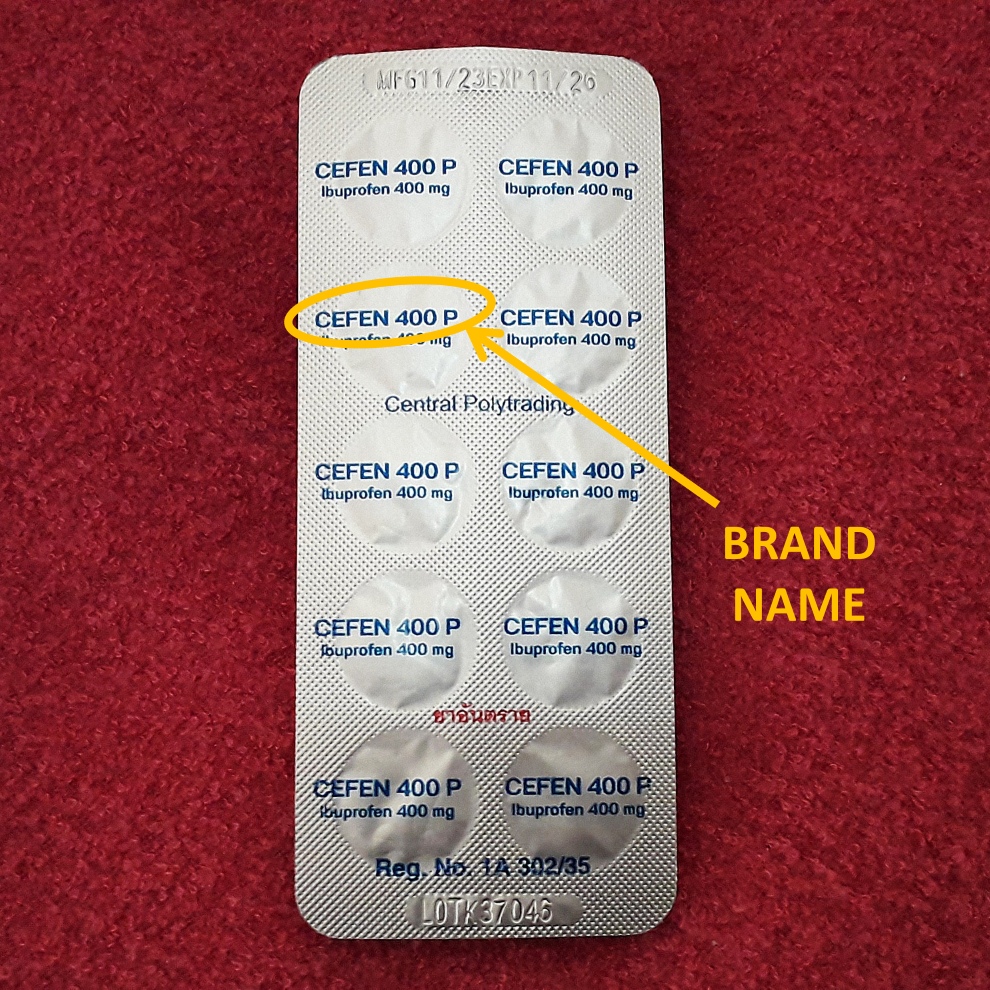
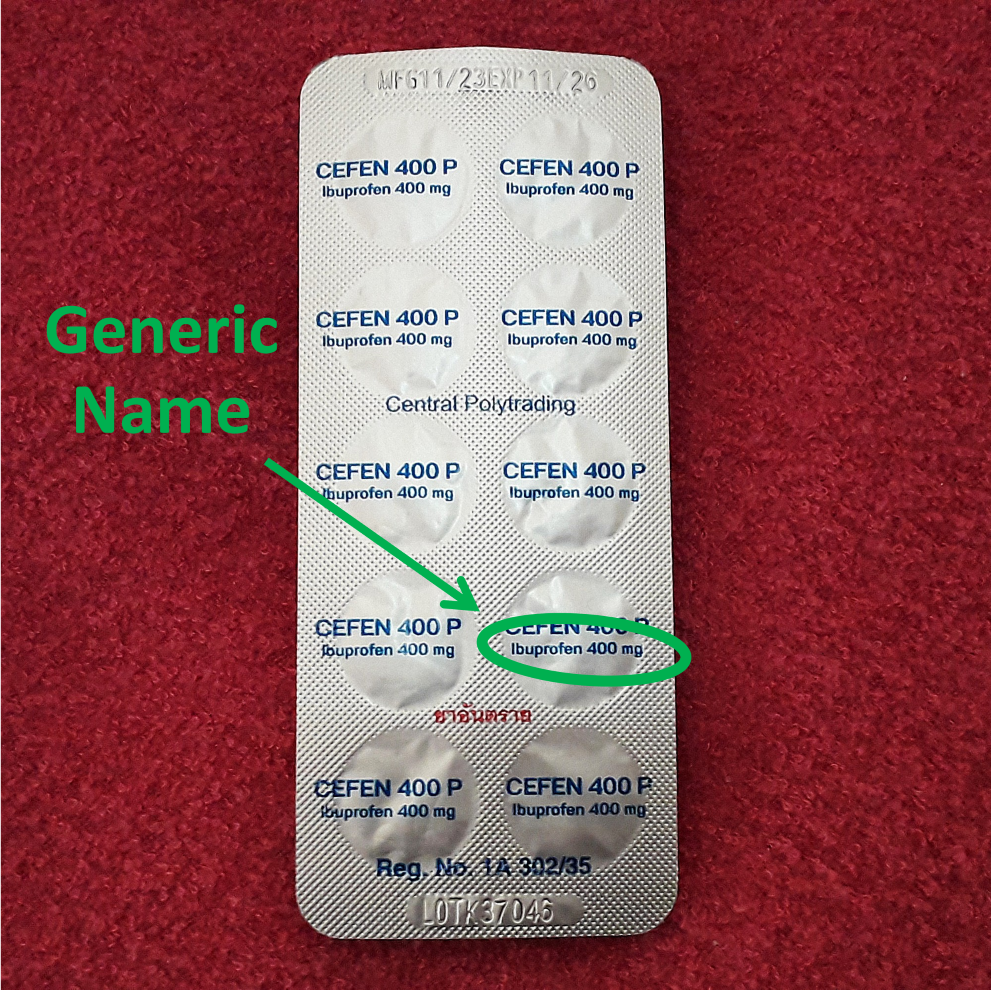
Name/Type – Medications can be listed using a chemical name, a brand name, or generic name.
For Examples, Advil® (brand name), Ibuprofen (generic name), isobutylphenylpropionic acid (chemical name). Check the dosage, is it 81 mg aspirin or 325 mg?
Uses – how will this medication help solve the problem?
Think of the problem, then look for a solution to that problem. Are you choosing a medication because it solves the problem or because it was the first medicine you could find on the shelf?
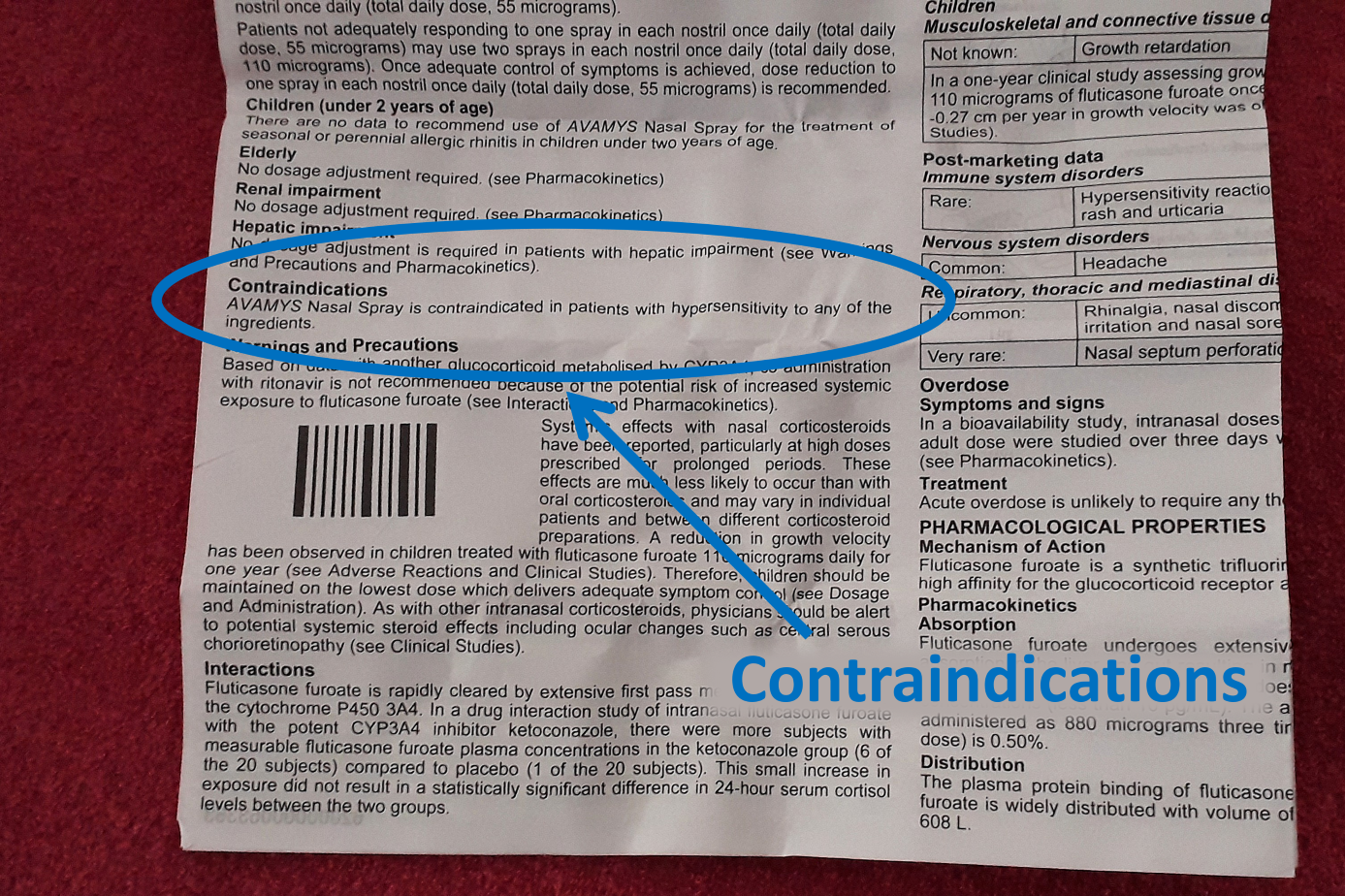
Contraindications – what reasons should the medication not be taken?
Contraindications is the doctor word for “do not take if”. Search drug information for the words “do not take if”. Taking a medication may hurt or even kill a person. Think of allergies, what will the medicine do to the blood pressure and flow, is the patient pregnant, does the patient have a medical condition like diabetes.
Drug Interactions – does it have negative results when taken with other medications?
Along similar lines of contraindications, many drugs have minor interactions with each other, look for the major interactions. Major interactions should be listed on the drug packaging.
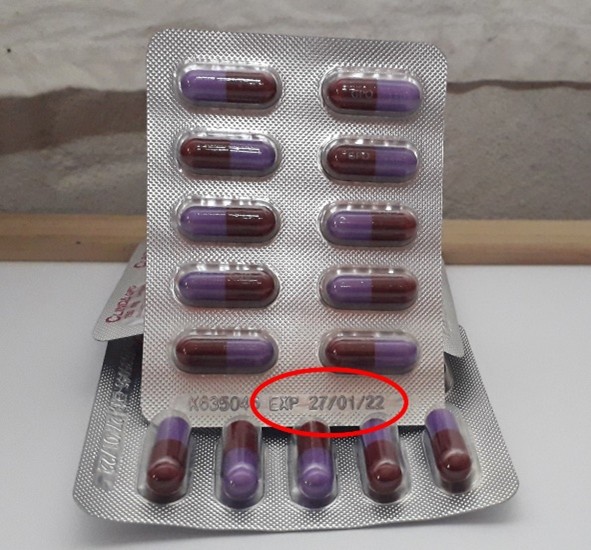
Expiration Date – Double check and make sure that it has not expired. This should be habit to check the expiration date.
Side Effects – what indicates that you should stop taking the medication?
Most people focus on the side effects when deciding whether to take a drug. Instead use side effect information to be aware of possible discomforts and things to look for after you have taken the medication. If the side effects become severe then this guides you when to stop taking the medication and go see a doctor.
Time – How and when (time) should you take the medication?
Read the directions, ibuprofen can burn a hole in the stomach lining if it sits against the wall of the stomach. To avoid this, the directions say to take with food as this moves the medication around in the stomach. When did you last take the medication? Will you take too much of the medicine? When in doubt, ask your doctor.
Where can you find the answers to the questions listed above?
- Packaging – the label or packaging that comes with the medication.
- Internet – look up the medication by name in a search engine (I tend to use drugs.com or rxlist.com)
- Local pharmacist – when you purchase a medication from the shop, ask questions
The R's (Rights)
To avoid mistakes in giving medications to patients, medical professionals have developed the “R’s” or “rights” as an easy reminder to check for mistakes. Over the years more and more “rights” have been added avoid more and more mistakes. There are 5 primary “rights” that should always be considered with each medication, and we include 5 additional “rights” to that are commonly used by medical professionals. Depending on your medical profession, there may be other memory aids used to help avoid medication mistakes.
| 10 Right's | Explaination |
|---|---|
| 5 Primary Right's | |
| Right Medication | Check to make sure you have the correct medication in hand. Also, does the medication uses fit with the patient’s condition? |
| Right Patient | Read and/or ask the patient’s name. Do not give another person’s medication to your patient. |
| Right Dose | How much should the patient receive at a time? Also, check the quantities the medication comes in, such as pills of the same drug but in 200 mg, 400 mg, 500 mg, 800 mg quantities are not the same. |
| Right Route | Oral, IV, topical, what is method of getting the medication into the patient? Check that the patient can take or receive the medication by the ordered route. |
| Right Time | When is your patient supposed to receive the medication? How many times can the medications be given? Has enough time pasted since the last round of medication? |
| Additional Rights | |
| Right Document | Did you record giving the medication? Either in patient records or on a patient care report. Even giving to a family member, it is smart to make a note of what and when you give medication. |
| Right Reason | What will the medication do to help the patient’s condition? Did you check for contraindications? Assess first before treating. |
| Right Permission | “No” means no. Did you ask to give the medication? Even when a doctor has written an order, we must remember the laws regarding patient consent, and that it is the patient’s body, not ours. |
| Right Education | Does the patient understand what is happening to them? Often a simple explanation can give a patient trust in the medication you give them and allows them to feel a part of their own treatment. If the patient knows what side effects to look for then they can inform you of side effects when they occur. |
| Right Evaluation | Observe to see the results, do not assume. Patient interventions need to be checked to see if the interventions cause more harm rather than good. |
Things to Consider About Medications
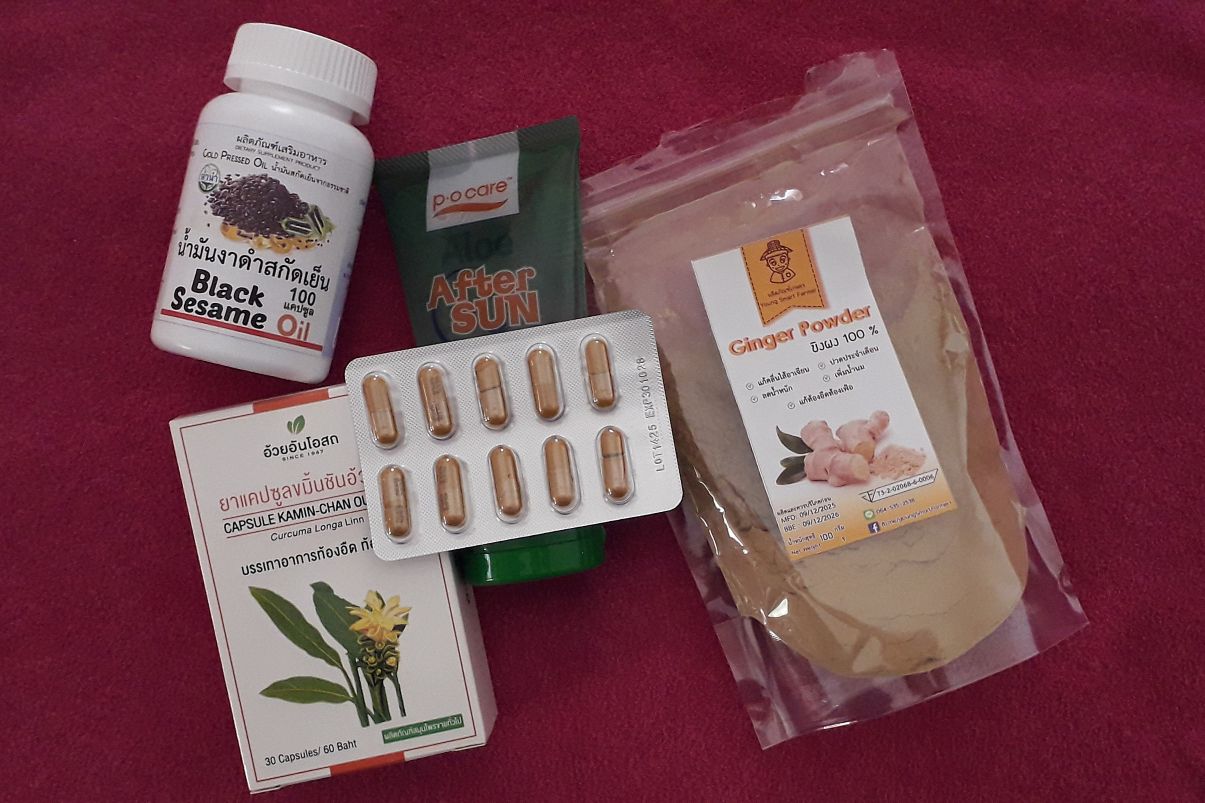
Herbal medications – medications in their earliest forms were herbal remedies. Be aware that information for contraindications, drug interactions, and correct uses may not always be easy to locate. Herbal substances can be used for conditions such as ginger tea for upset stomach, but assess for other possible conditions, contraindications, and that the patient can receive the herbal remedy before giving it.
Antibiotics – bacteria are becoming more and more resistant to antibiotics with the overuse of antibiotics. Not finishing a full antibiotic prescription allows microorganisms to adapt making the antibiotic less effective. Also, antibiotics destroy and upset helpful microbes in your digestive track, these will need to be replaced with probiotics. Antibiotics should be avoided unless the patient shows possible bacterial infection.
Drug Abuse – People use drugs like a crutch to help them cope with pains and health problems. Many times, a person can be isolated and in emotional pain, they use drugs as a way to live with the pain. Studies have shown that 2/3 of drug addicts suffer from childhood trauma, and are given no hope and no emotional relief.
I refer back the medication process presented at the beginning of this article;
The person has pain in their life. → The person is given a drug to mask the pain. → Something happens. What? → The person is better… are they?
To address drug abuse and addiction honestly, we need to learn how to help people in pain.
Please, honestly consider the benefits and risks with medications very time you consider giving out another medication.
For more information about: individual drugs check out drugs.com or rxlist.com
Drug addiction check out rat-park
Thank you to Supaporn Chuapoodee for help with translation.
References
Hanson, A., & Haddad, L. M. (2021, Sep 12). Nursing Rights of Medication Administration. Retrieved from StatPearls: https://www.ncbi.nlm.nih.gov/books/NBK560654/
Hari, J. (2018). Chasing the Scream. New York, NY: Bloomsbury Publishing.
Limmer, D., O'Keefe, M., Grant, H., Murray, R. H., Bergeron, J. D., & Dickinson, E. T. (2004). Emergency Care 10th Edition. Saddle River, NJ: Pearson Prentice Hall.
Nursing Notes. (2015, November 15). The 10 Rights of Medication Administration. Retrieved from Nursing Notes: https://nursingnotes.co.uk/resources/10-rights-of-medication-administration/
Potter, P. A., Perry, A. G., Stockert, P. A., & Hall, A. M. (2016). Fundamentals of Nursing 9th Edition. Maryland Heights, MO: Mosby.