“Is this scene safe?”
This is not the question to ask on the emergency scene or training ground, as it shows a lack of critical thinking. As emergency responders, we respond to unsafe situations. To truly check the box for scene safety, we need to go beyond yes-or-no questions in our decision-making. Instead, we should ask "what" questions, like “What are the hazards?”
As the world changes and the emergencies change, we can train our minds to think critically about safety so that no matter what the emergency, we can help others while avoiding hazards.
Situational Awareness
The “L-180 Human Factors in the Wildland Fire Service” course focuses on how situational awareness affects decision-making. Your opinions, communication with others, observations of the scene, and stress level affect your situational awareness. As you would expect, the more aware you are of the situation, the more likely you are to quickly and effectively resolve the emergency. We must improve our situational awareness by first focusing on what constitutes hazards or risks on the emergency scene.
After identifying the hazards and risks, naturally, you must decide how to deal with them. Note: There does not have to be a complete removal of possible risk in order to mitigate the hazards. For example, an overly concerned family member might be creating chaos at a CPR scene and having a team member talk with that family member will calm the scene down and possibly gather important information. The family member has not been removed but hopefully risk of negative action from a confused and anxious person has been mitigated.
5 Ways to Mitigate a Hazard
There are five primary ways to mitigate risks and hazards: elimination, substitution, engineered controls, administrative controls, and PPE. This gives us a variety of options to decide how we will mitigate a hazard. Choices may differ from situation to situation, even for the same hazard. Let’s consider each option.
- Elimination:
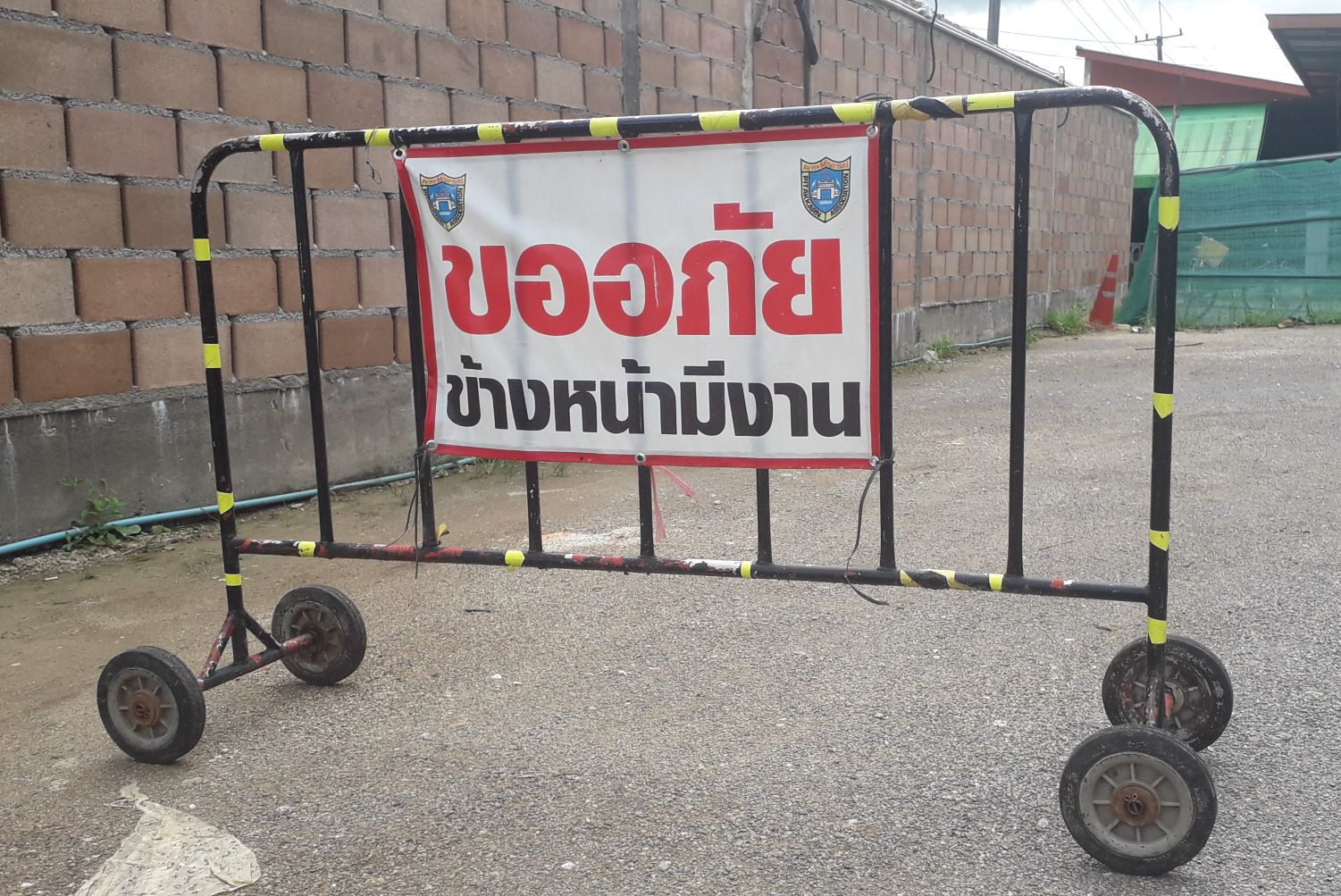
We separate ourselves from the hazard completely. Think of emergency drags to remove ourselves and the patient from a life-threatening situation before starting assessment and patient care. This could also mean removing ourselves from the hazard area until the hazard has been controlled, such as an active shooter situation waiting until the shooter has been eliminated. - Substitution:
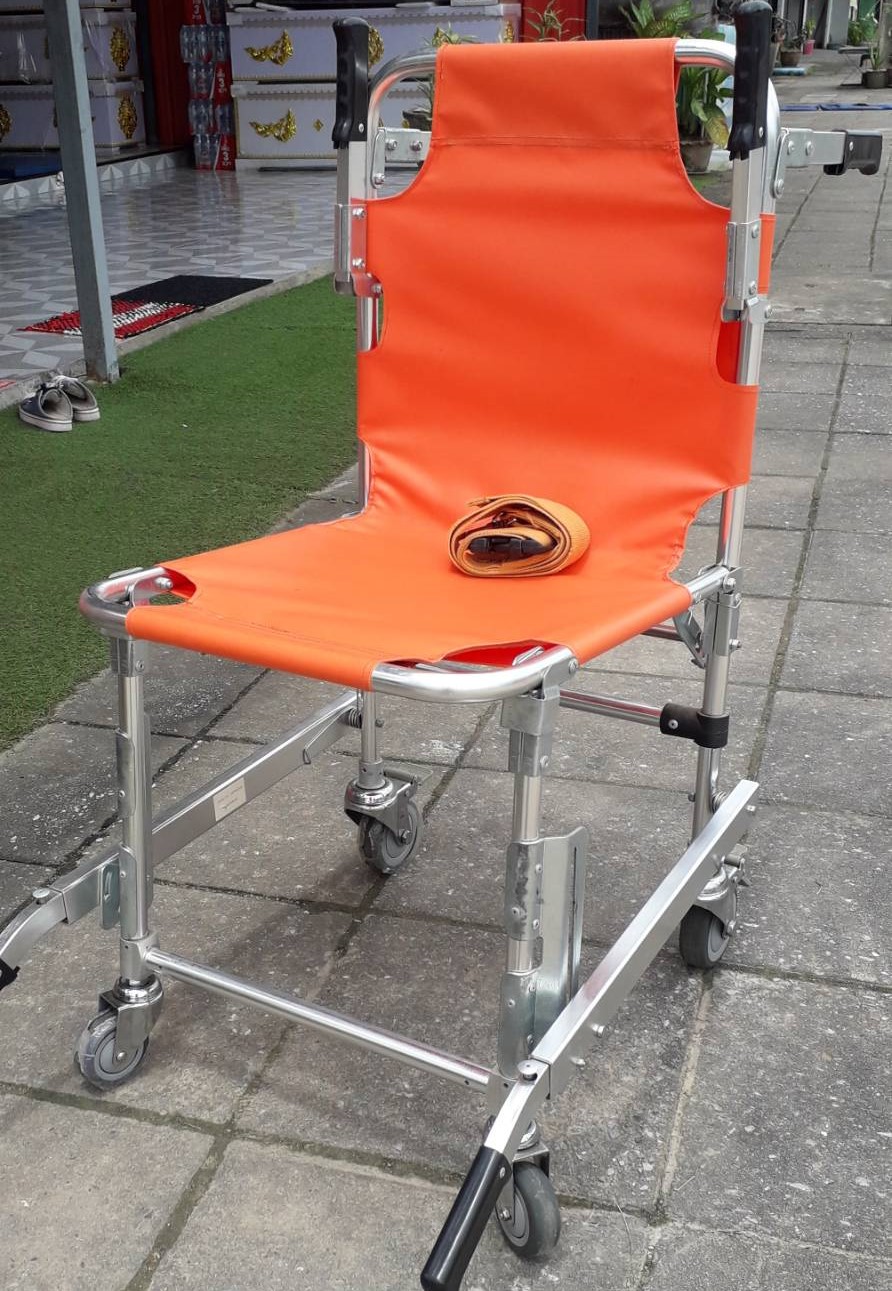
Pick a different option. Normally you would transport the patient out of the building on the cot, but when the elevator is not available, we can use the stair chair instead. Trying to roll a stair chair down a stairwell has a lot less risk than trying to roll a cot down a stairwell. - Engineered controls:
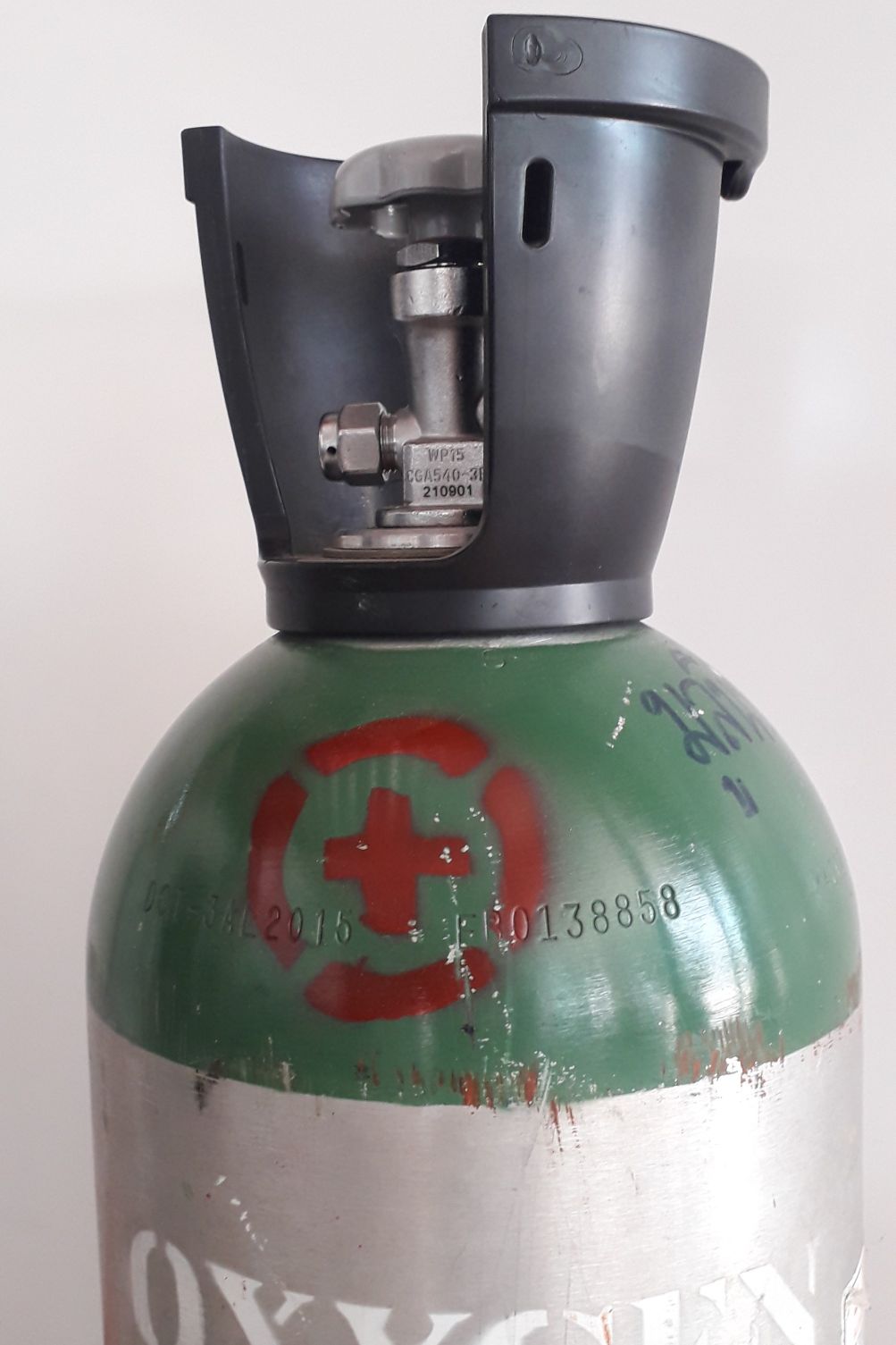
Change the work environment. Common versions are guards, like plastic covers on IV needles to protect us from accidental needle sticks or straps protecting the oxygen tank from falling over and rupturing. An alarm could be included in this category as well. While alarms or alerting devices do not physically protect from the hazard, they are engineered systems that notifies us of hazards. - Administrative controls:
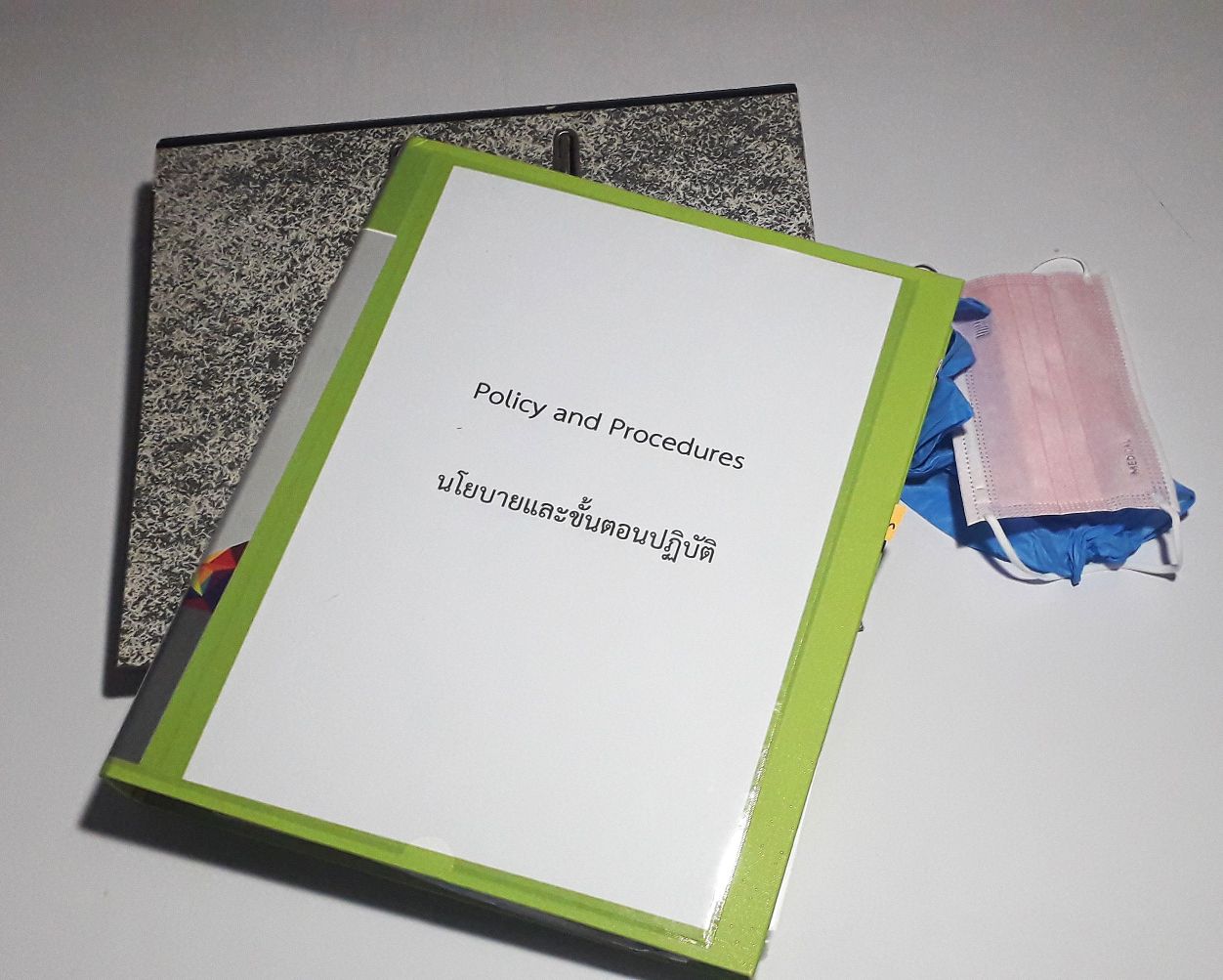
These controls tell us how to behave around the hazard. This can be policies and procedures outlining safe methods for working, such as a policy against using a phone while driving. The management of emergency responders, such as rest scheduling or crew assignments, also falls in this category. - Personal Protective Equipment (PPE):
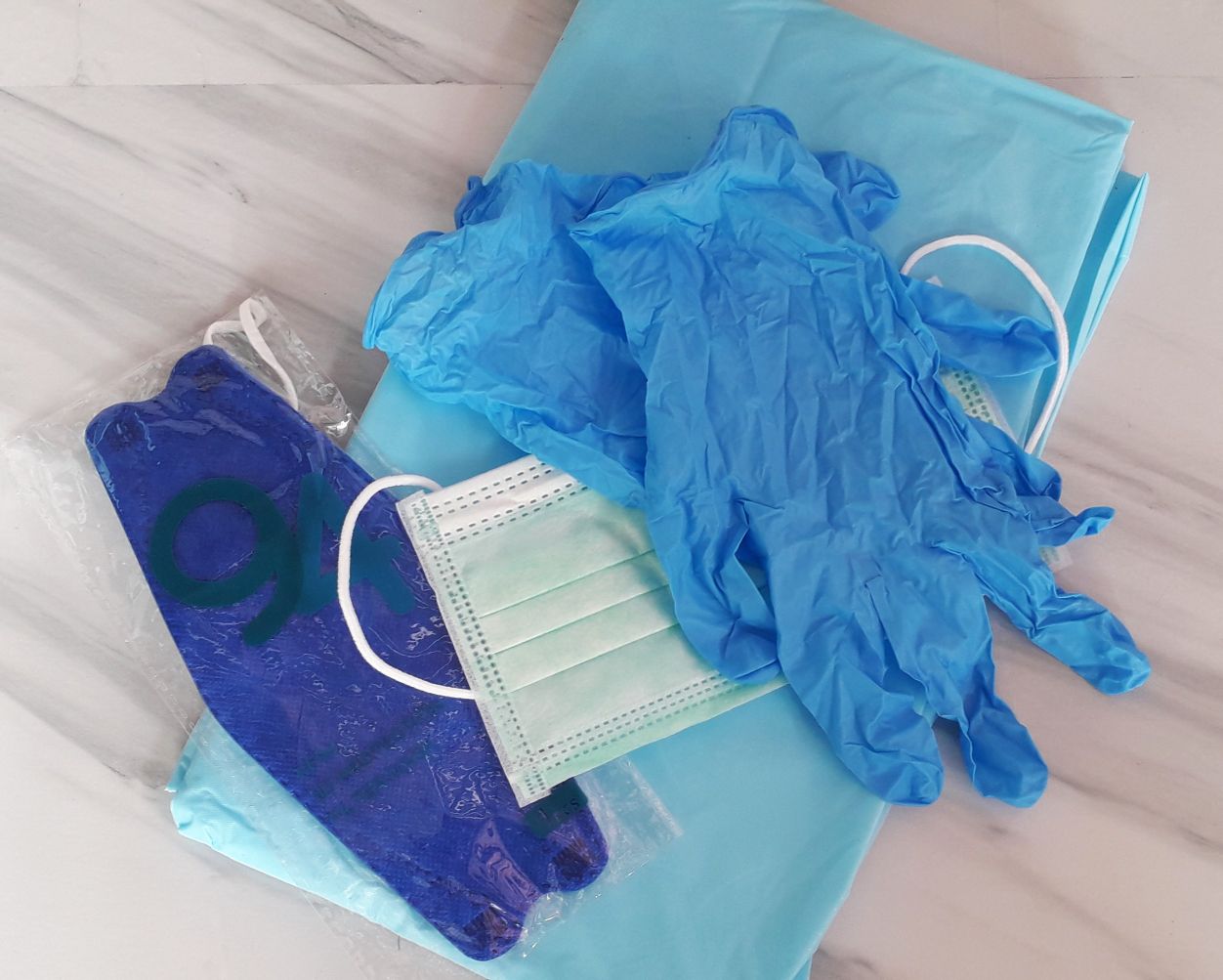
PPE depends on the emergency, maybe surgical masks and gloves for regular patient while a patient with severe TB might require N95 masks and eye protection and birthing a baby might need protective gowns. This can change as the situation changes. We may need to wear heavy work gloves to protect our hands while removing a trauma patient from wreckage debris, and then change to medical gloves for treating the patient.
Controlling hazards typically involves a combination of controls. For instance, a sharps container is an engineered control and the rules about disposing of needles are the administrative controls to protect from needles.
It’s important to reiterate that these controls often do not remove the risk. There must be an acceptable level of risk.
Preparedness
Let’s add one more concept for risk mitigation: preparedness. While preparedness does not technically control a hazard, it does help us recognize the hazard and manage its effects. Further, preparedness is what helps us when things go wrong, such as a first aid kit being available just in case an emergency happens.
Summary
Observe the emergency incident around you, ask “what are the hazards?”, decide how you will deal with hazards, and repeat. Hazards will be present through the entire incident beyond just the size-up. To be critical-thinkers on the emergency scene, we need to stop asking safe vs. unsafe and instead ask “what?”. Thank you to Janelle Foskett for helping to edit my confusing words and K. Kunsirilanchakorn Kongpok for helping translate into Thai.
References
Limmer, D., O'Keefe, M., Grant, H., Murray, R. H., Bergeron, J. D., & Dickinson, E. T. (2004). Emergency Care 10th Edition. Saddle River, NJ: Pearson Prentice Hall.
Manuele, F. A. (2006). Risk Assessment and Hierarchies of Control. ASSE Professional Development Conference and Exposition (pp. 33-39). Seattle: American Society of Safety Engineers. https://aeasseincludes.assp.org/professionalsafety/pastissues/050/05/030505as.pdf
NWCG Training Working Team (September 2008). L-180 Human Factors in Wildland Fire [Guidebook] National Wildland Coordinating Group https://www.nwcg.gov/training/courses/l-180-human-factors-in-the-wildland-fire-service-2008/course-materials
The Scope and Functions of the Professional Safety Position. (2003). ANSI/ASSP Z590.2. American Society of Safety Professionals. https://onlinelibrary.wiley.com/doi/pdf/10.1002/0471662542.app1