When approaching an emergency medical scene from the outside, we start by answering a few key questions; who or what is involved, what is not normal, what do we plan to do, and what additional help do we want. While we write this article with emergency medical and first aid situations in mind, the same basic principles of scene size-up apply regardless of the emergency scene. Scene size-up sets the stage for how the rest of the incident will proceed. It may have been a chaotic emergency prior to us arriving on scene and it may be an emergency that we are unable to resolve on our own, but even decent size-up will mark the turning point for a bad day.
Situational Awareness
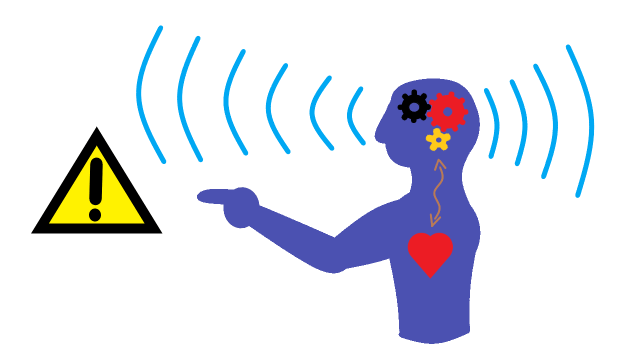
As we approach an incident, medical or trauma, we need to always be aware of our surroundings. We should walk, not run, so that we can observe with all our senses what is happening and hear what people are saying. We discuss scene safety in another article here, which assesses scene safety by asking the question ‘what are the risks?’.
Location
If we are called to a scene, we want to know where we are going before we rush past where we were supposed to be. If we need to call for additional help, can we give our location so that they know where to come?
Describe the Situation
We can break the situation into 2 parts; who (or what) is involved, and what is not normal. We think about these simultaneously. For example with “we have 2 boys bleeding over there,” we know a couple details about who and probably what is involved.
Who, or What, is Involved
Who is the patient(s)? While we need to keep a broad view of the scene we walk into, we try to identify who appears to be the patient.
- If there are multiple patients, how many patients are there?
- What can we tell about them by looking at them?
- Are they awake and looking around or laying on the ground?
- How old do they look?
- How serious does it look?
With the last question, we try to measure if it looks life threatening or fairly routine (sick or not sick).
What Is Not Normal
We can use special terms like mechanism of injury (MOI) and nature of illness (NOI), whatever term we use, quickly consider what is not normal. Trauma incidents often give obvious ‘not normal’s’ like;
- an arm should not bend that way,
- cars should not park upside-down in the ditch,
- or that is a lot of blood from their head.
While medical illnesses can be less obvious, spotting details while walking in can guide us quickly in our assessment such as;
- vomit on the floor,
- the smell of gas,
- a pile of medicine on the table,
- or a patient sitting in the tripod position.
Many times, the patient will hold on to the painful body location, clueing us into the area of focus.
What Is Your Plan
Before entering and getting caught up in the chaos, we should think ‘where can we start helping?’. Most often we simply plan to assess the patient further, but sometimes we may need to accomplish some other items before continuing patient assessment. Scene safety might have identified hazards that need adjusting before we start our initial assessment. Examples for plans could be:
- Rescue the patient from the fire
- Remove the drowning victim from the water
- Block traffic from running over the patient
Have a rough plan that is able to adapt and change as we discover more about what is involved.
Additional Resources
Emergency response takes team work. A big part of scene size-up marking the turning point of an incident is organizing resources to where they can do the most good. The following bullets match various emergency incidents with resources that can help with those incidents;
- House fire = Fire department
- Victims trapped in a vehicle = Rescue with extrication equipment
- A truck leaking toxic chemicals = Hazardous Materials Response Team
- A patient in cardiac arrest = Ambulance with Advance Life Support (ALS)
- Multiple patients = Additional ambulances, typically 1 ambulance for every 2 patients
- Large complex scene = Incident Management Team
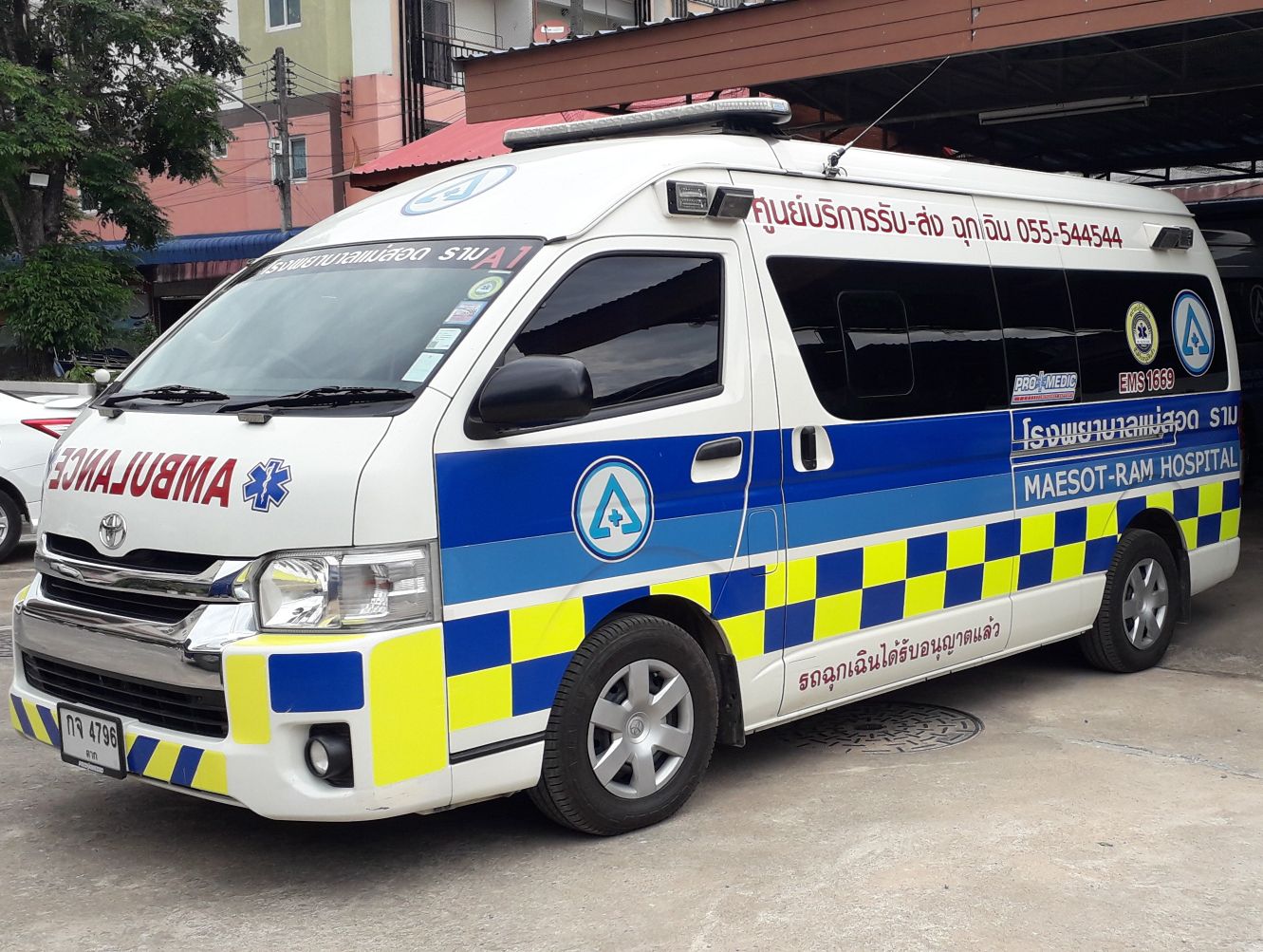
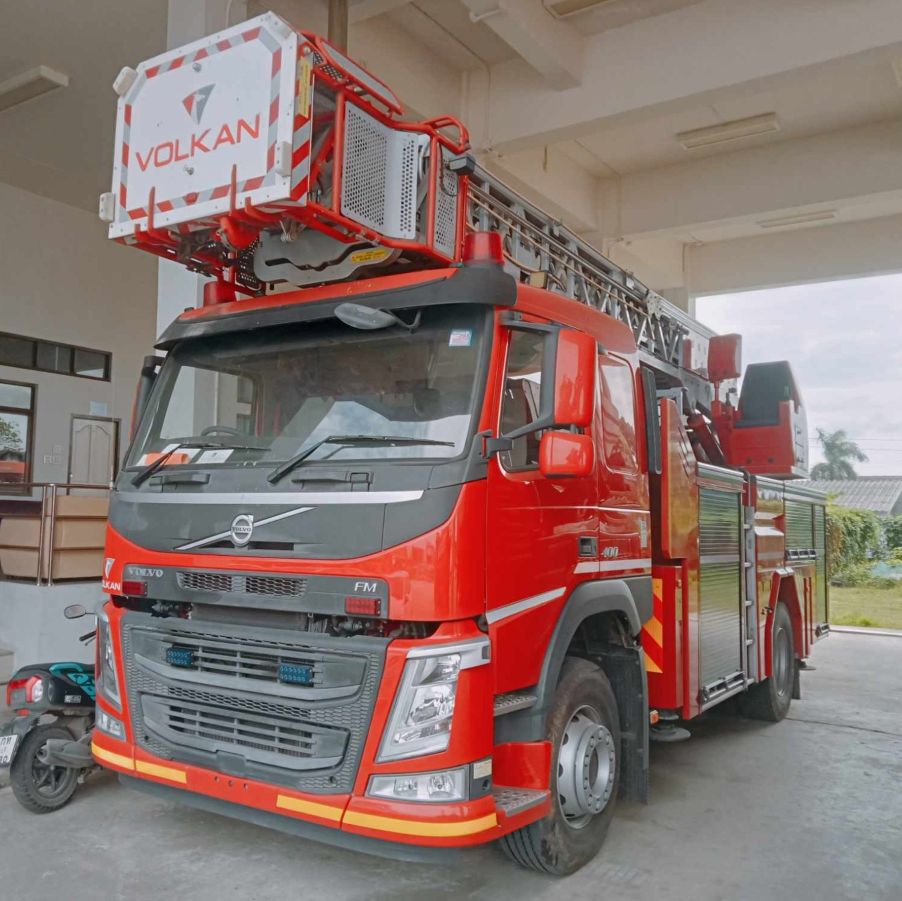
Knowing what resources exist in our area is key for knowing who to ask for help from. Be nice by warning other emergency responders coming to the scene what hazards they should watch out for as they come to help us.
Conclusion
We want to approach a first aid or emergency scene carefully observing the situation and answer key questions as we walk in;
- What are the risks?
- Who and/or what is involved?
- What is not normal?
- What do we plan to do?
- What additional help do we need?
We want to bring care and help to those suffering and in trouble. Before jumping to conclusions, we must seek to understand the situation to see what help is needed and how we should start caring for others.
Thank you to the Shade Tree Foundation for making this article possible together with first aid training for community workers, to Christine Lustik for correcting my writing, to K. Kunsirilanchakorn Kongpok for helping translate into Thai, to Dr. Honey for help translating the Burmese, Dr. Kay (Dr Kyaw Soe Naing) for providing medical guidance, and K. Chaowatt Tassaneeyanont for pictures.
References
Limmer, D., O'Keefe, M., Grant, H., Murray, R. H., Bergeron, J. D., and Dickinson, E. T. (2004). Emergency Care 10th Edition. Saddle River, NJ: Pearson Prentice Hall.
McEvoy, D., Moore, G., and Blelcher, J. (2012). Wilderness Medicine 12th Edition. Missoula, MT: Aerie Backcountry Medicine.