An ancient story tells about 6 blind men feeling different parts of an elephant and arguing with each other about what it is. We need to avoid drawing our conclusions from just a single aspect of patient assessment, instead we need to put all the parts of patient assessment together to try understanding the whole patient. Similar to if the blind men put all their pieces of information together, they would have understood the elephant.
The beginning details of assessing and treating a patient start with sizing up the scene, checking for life threatening issues, and determining what their chief complaint or primary issue is. From this point we gather more details about the patient’s chief complaint with questions called a patient history. Think of this as adding details to our mental picture of the patient. Most medical personnel try to remember these questions with the English acronyms SAMPLE and OPQRST. Whatever method we use to remember the questions, providing effective and caring assessment is what counts.
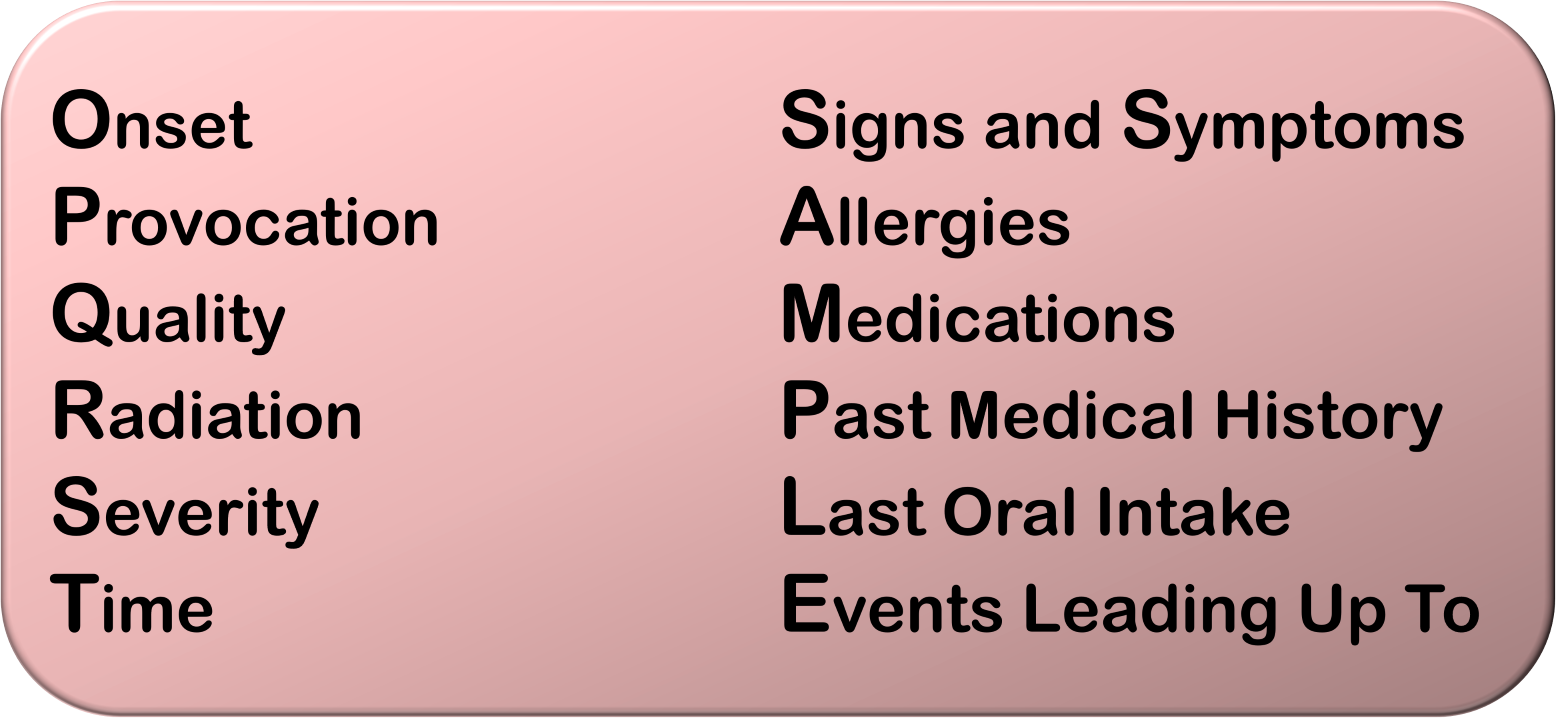
The ’S’ in SAMPLE reminds medical staff to check signs and symptoms.
Signs and Symptoms
Signs are objective information we can measure in some way about a patient’s condition. With first aid and emergency medical cases we measure vital signs to gather basic information about a patient. We discuss vital signs in another article, please check that out here.
Symptoms are subjective information the patient or their family tells us. To some degree we must trust the patient to tell the truth. The acronym often used to remember symptom questions is OPQRST.
Allow me to recommend non-English speakers to focus on remembering ‘When’, ‘What’, ‘How’, ‘Where’, ‘Number’, and ‘Before’, since we often see smart people who struggle with English struggling to remember what the words represent.
- Onset or When – “When did this (the chief complaint) start?” Sometimes this is stated as “when was the patient last seen acting normal?”. With trauma the question might be rephrased as “when did this happen?”. Be careful about assuming times.
- Provocation or What – “What makes this feel worse?” Often should include “what makes it feel better?”. This helps describe some of the activities associated with the problem.

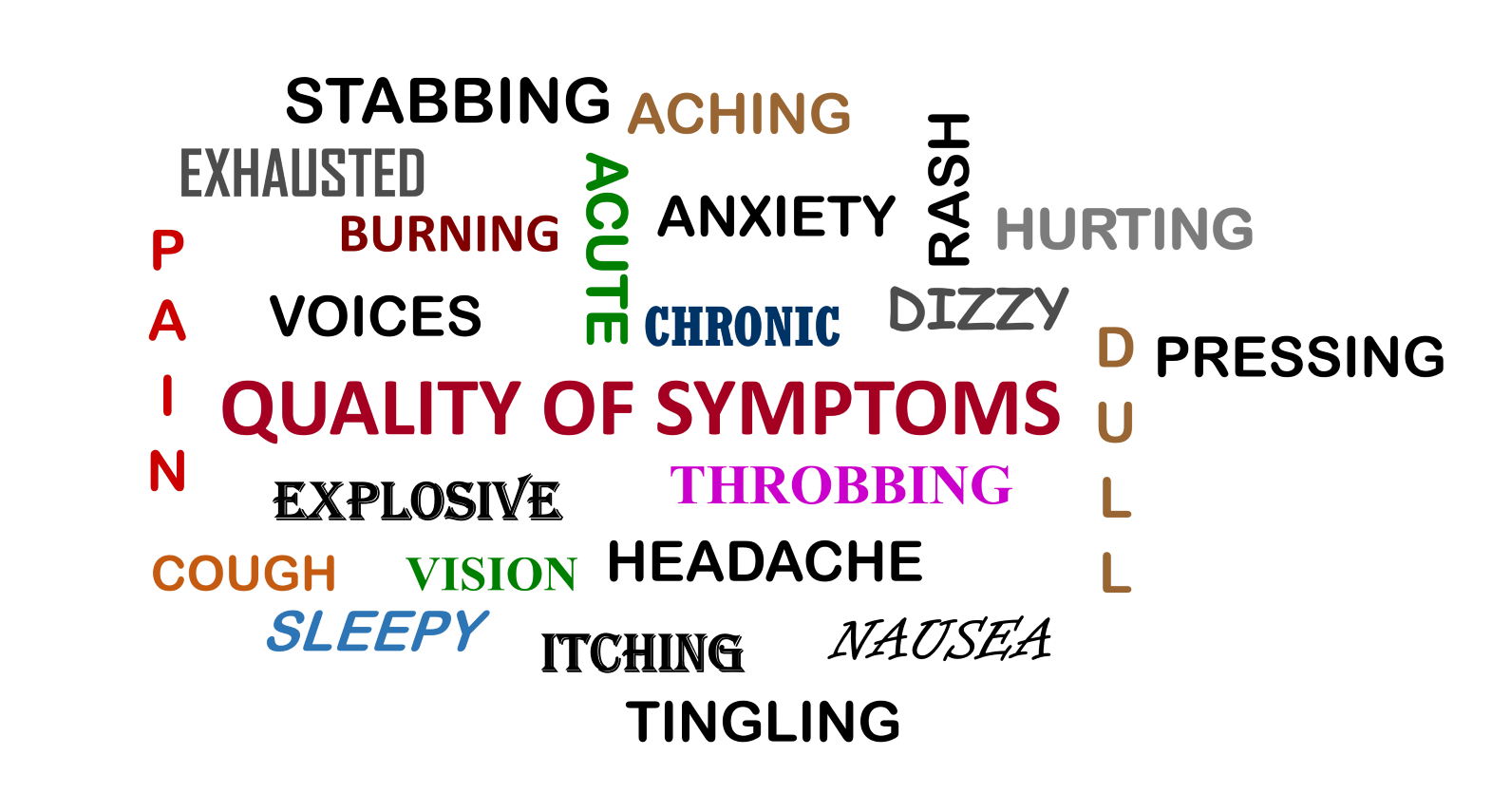
- Quality or How – “How would you describe your pain?” Usually, we need to help prompt the patient with some examples; sharp pain, stabbing, aching, tingling. Imagine letting the patient tell us a bit of what they are experiencing.
- Radiation or Where – “Where all do you feel the pain?” Get the patient to point to where exactly the pain is located. Then ask what other locations the patient feels pain, “Is there anywhere else you feel pain?”.
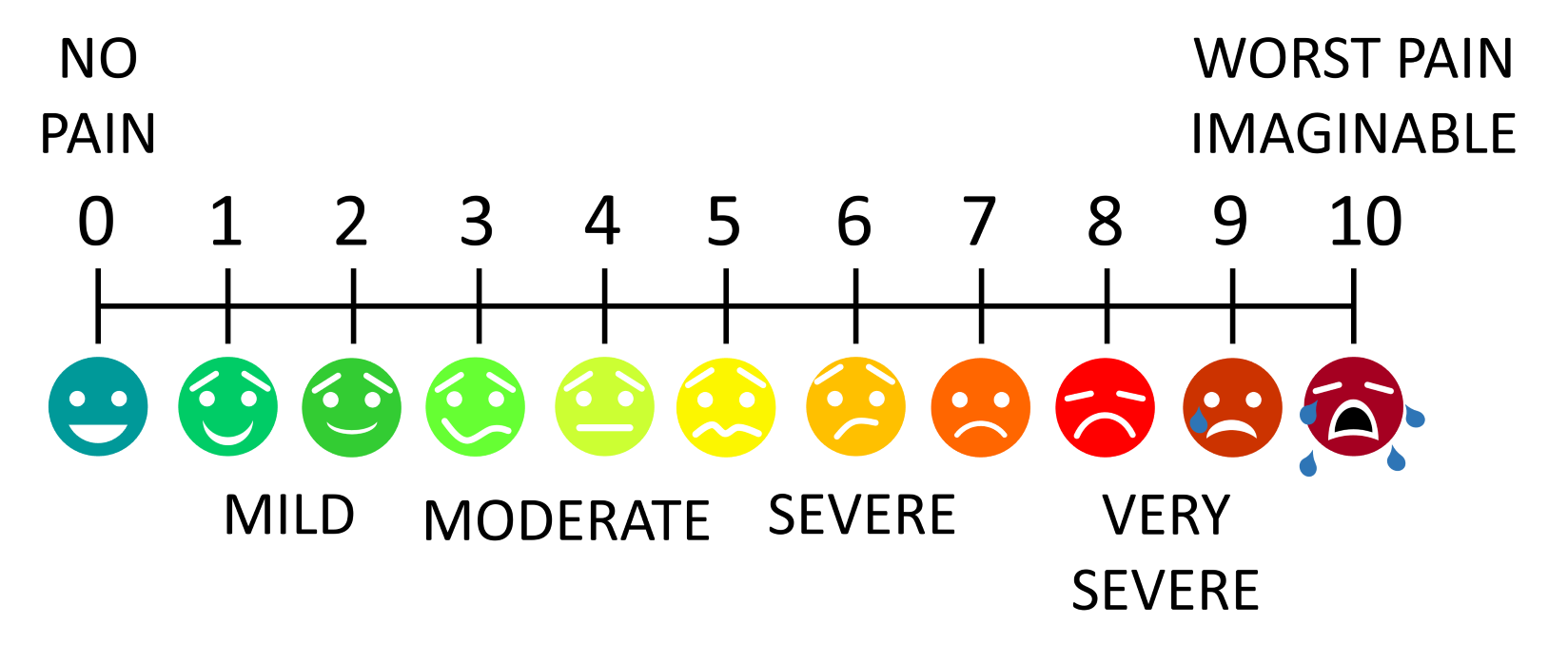
- Severity or Number – “On a scale of 0 to 10, how would you rate your pain?” We typically say 0-10 with 0 being no pain at all, and 10 being the worst pain ever felt. Sometimes a chart shows faces going from smiley to frowny face, illustrating the scale. If the patient’s problem is not pain related, replace the word ‘pain’ with words describing the patient’s problem when asking this question. “You are feeling very dizzy. On a scale of 0 to 10, how would you rate your dizziness?”
- Time or Before – “When have you experienced this previously?” This can be said many different ways, such as “Have you ever had this happen before?” and “Is this the first time you have felt this?”. With potentially chronic health issues, we can ask about the normal frequency that the issue occurs. “How often do you experience seizures?”
Think of writing class where we must answer the when, what, how, where questions to give our reader a mental picture of what we are thinking. Asking these questions helps us to draw a mental picture from what the patient is experiencing. Yet there remain a couple important medical details that could tell us about the patient’s problem or how to care for them. These are the ‘AMPLE’ questions of ‘SAMPLE’.
- Allergies – “What allergies do you have?” As an open-ended question, this encourages the patient to remember any adverse reactions that they might forget to mention. Their concern focuses on the pain they experience right now, not the medication allergy that they experienced years ago.

- Medications – “What drugs have you taken?” and/or “What drugs do you take regularly?” For basic patient care we do not need to be a pharmacist or know everything about their medications. Many patients do not know exactly what medication they are taking. Collecting the names of the medications either as a list or collecting the medications in bag (7-Eleven bags work great) helps the doctors and nurses know which drugs are affecting the patient.
We try not to be too judgmental of the patient as we ask about drugs. We want to know about all drugs, to include illegal drugs, herbal supplements, and special magical forest medicine. It is about knowing what is happening to the patient so we can help the patient. Not blaming the patient.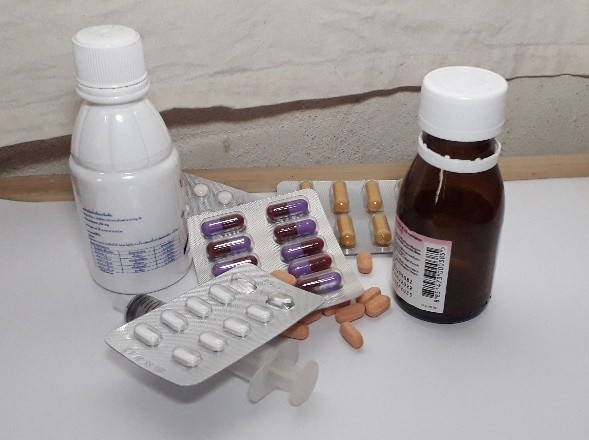
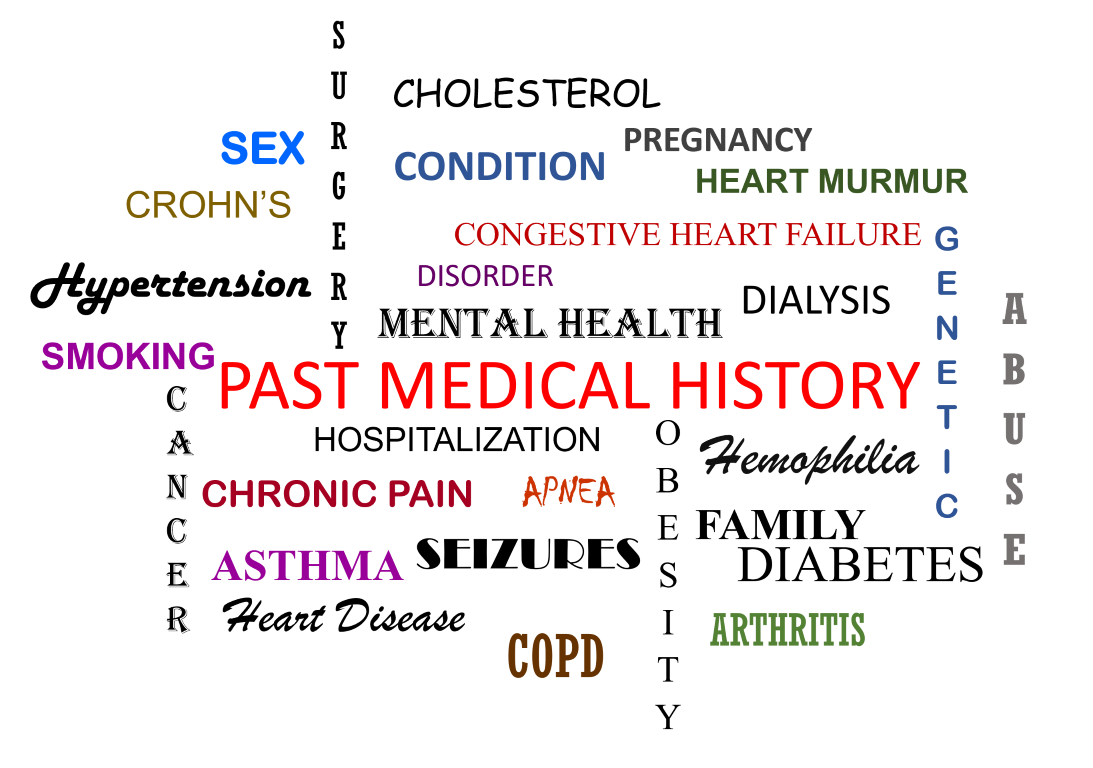
- Pertinent Past Medical History or Past Medical Problems – “What major medical conditions do you have?” We can give examples when we ask this question such as; diabetes, congestive heart failure (CHF), chronic disease, chronic obstructive pulmonary disease (COPD).
- Last Oral Intake or Last Food and Drink – “What have you eaten today?” If the patient says they ate some nut cookies after answering they are allergic to nuts, we may know what is making them sick. Asking about this topic often requires a little clarification, such as asking when they ate the cookies, or did the issue start before or after eating the nut cookies.
Unfortunately, this topic often includes asking about alcohol consumption as well. Be careful to give a drunk patient a fair and complete assessment before releasing them into the ‘wild’ to sleep the alcohol off, because what we assume to just be drunkenness might be a critical medical issue.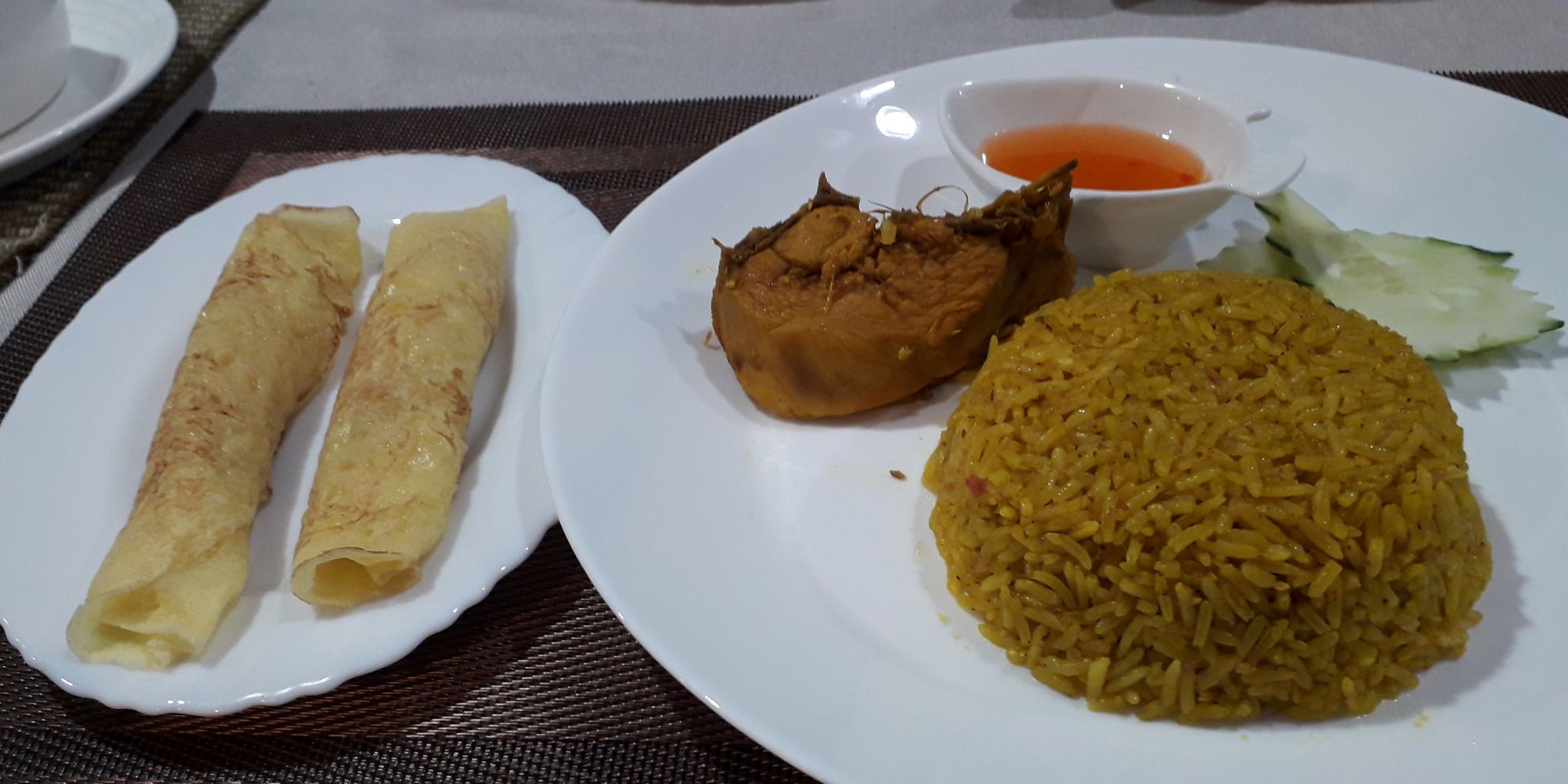
- Events Leading Up To – “What were you doing when this started?” Sometimes the activities can give a clear explanation of what is happening with the patient. Maybe a patient could feel extreme chest pain after lifting a bunch of heavy stuff outside in the sun.
These questions help us gather detailed descriptions about what is happening to the patient giving us a much more complete mental picture. Similar to if the blind men in the ancient story put their knowledge together they can understand what an elephant is.
Thank you to the Shade Tree Foundation for making this article possible together with first aid training for community workers, to K. Mink for helping translate into Thai, to Dr. Honey for help translating the Burmese, and Dr. Kay (Dr Kyaw Soe Naing) for providing medical guidance. Emergency medical service is a team effort.
References
Limmer, D., O'Keefe, M., Grant, H., Murray, R. H., Bergeron, J. D., and Dickinson, E. T. (2004). Emergency Care 10th Edition. Saddle River, NJ: Pearson Prentice Hall.
McEvoy, D., Moore, G., and Blelcher, J. (2012). Wilderness Medicine 12th Edition. Missoula, MT: Aerie Backcountry Medicine.
McNamara, E. C. (2020). Outdoor Emergency Care: A Patroller’s Guide to Medical Care (6th Edition). Burlington, MA: Jones and Bartlett Learning.