The number of heart beats in 1 minute or, for the romantic types, the frequency of the heart. We measure this by feeling the pulse at an artery, usually the radial for adults, brachial for infants, and the carotid for unresponsive patients.
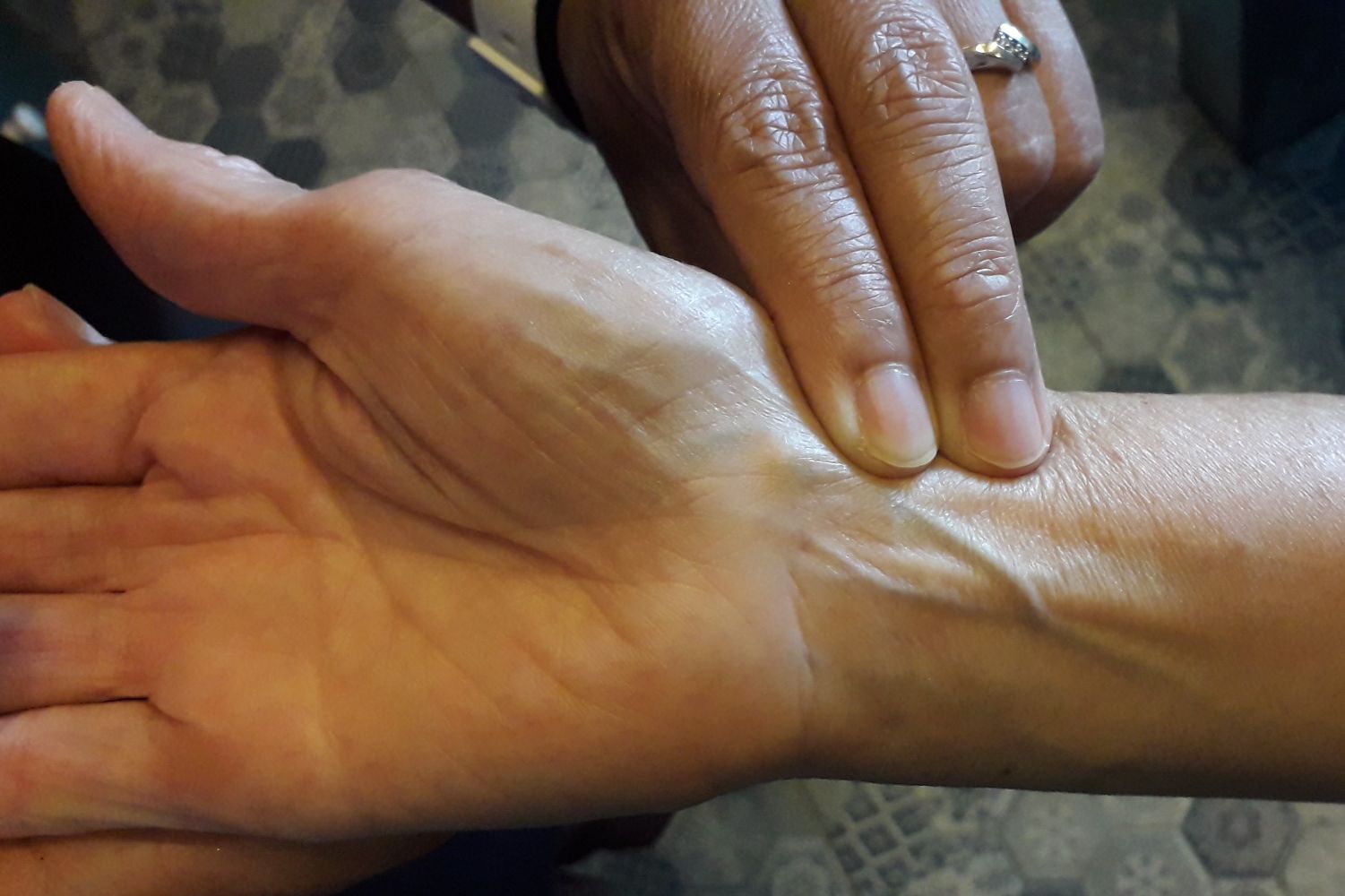
- Radial – feel in the groove between the radius (bone on the thumb side of the wrist) and the flexor tendons, push down to feel the pulse.
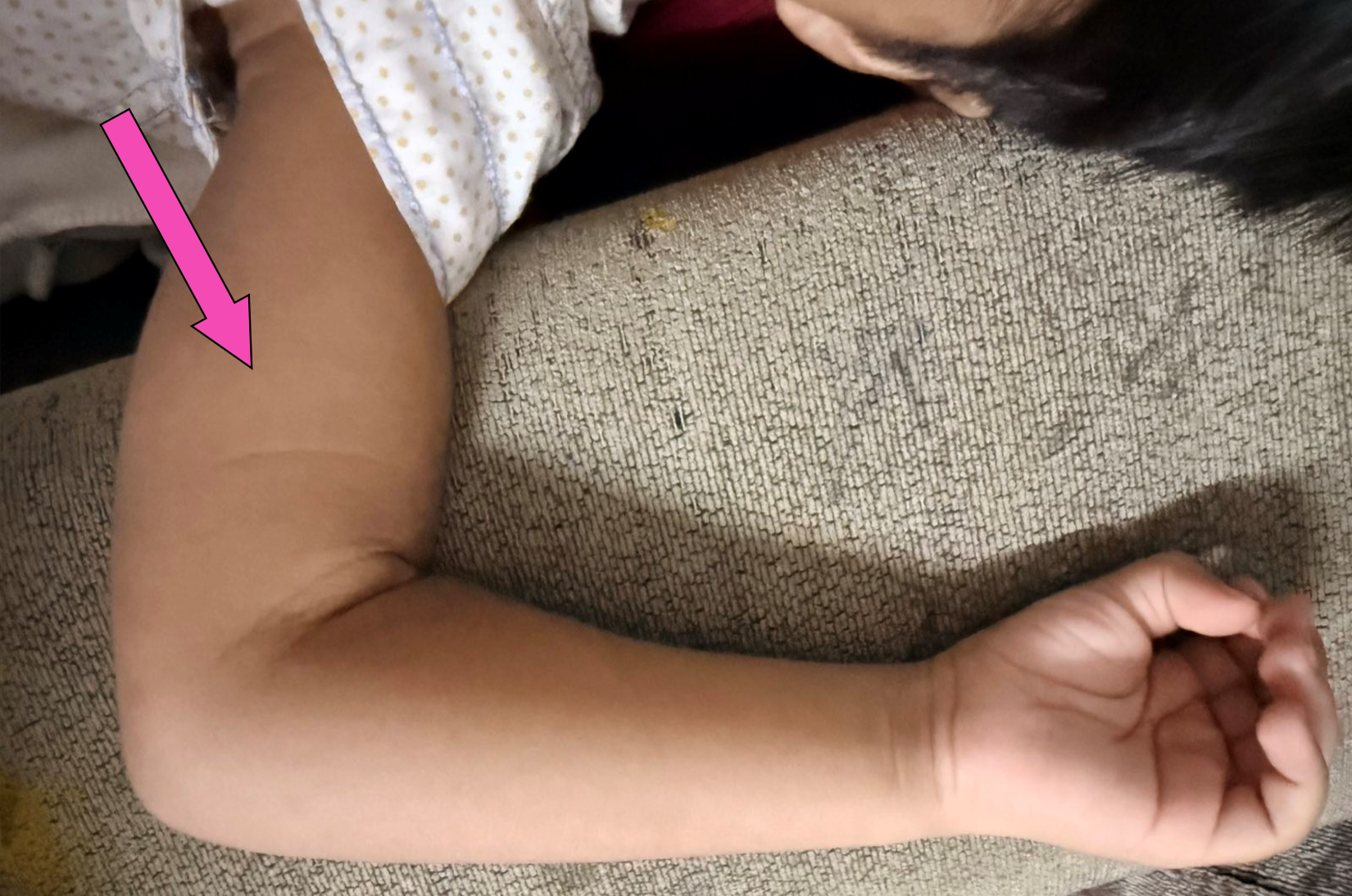
- Brachial – feel in the groove between the humerus (bone for the upper arm) and the bicep muscles (where their beach muscles should be), push in to feel the pulse.
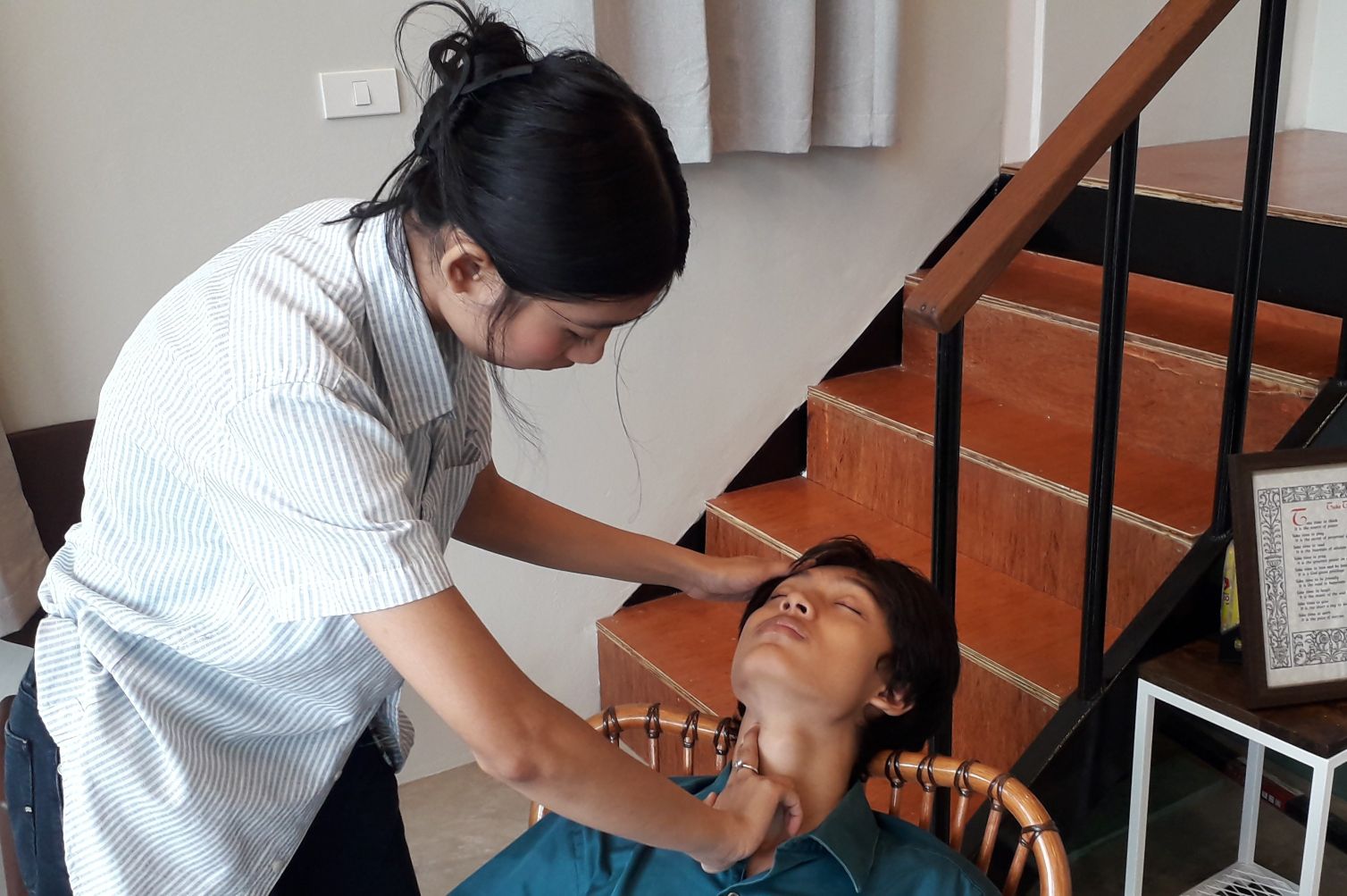
- Carotid – feel in the groove between the larynx (the airway tube at the front of their neck) and the SCM muscles (those muscles along the side of their neck), push in to feel the pulse.
Watching the time on our watch or a clock we count the number heart beats we feel in either 15 seconds or 30 seconds. I recommend against using personal cellphones as a timer to avoid cross contamination between scenes. For 15 seconds we multiply by 4 to get the total heart rate, and for 30 seconds we multiply by 2 to get the heart rate. Two examples;
If we feel 16 beats in 15 seconds, the heart rate is 64 (16 x 4 = 64).
If we feel 37 beats in 30 seconds, the heart rate is 74 (37 x 2 = 74).
Calculate Your Pulse Rate
Common ranges for the heart rate roughly should be;
| Ages Group | Ages Range in Years | Beats / Minute |
|---|---|---|
| Infants | 0-1 | 80-160 |
| Toddlers | 1-3 | 80-130 |
| Preschool | 3-5 | 80–110 |
| School Children | 5-12 | 70–100 |
| Adolescents | 12-18 | 60-100 |
| Adults | 19-above | 60-100 |
Note these do not represent active heart rates that are often seen with patients excited by traumatic incidents or having an emotional reaction to seeing medical personnel.
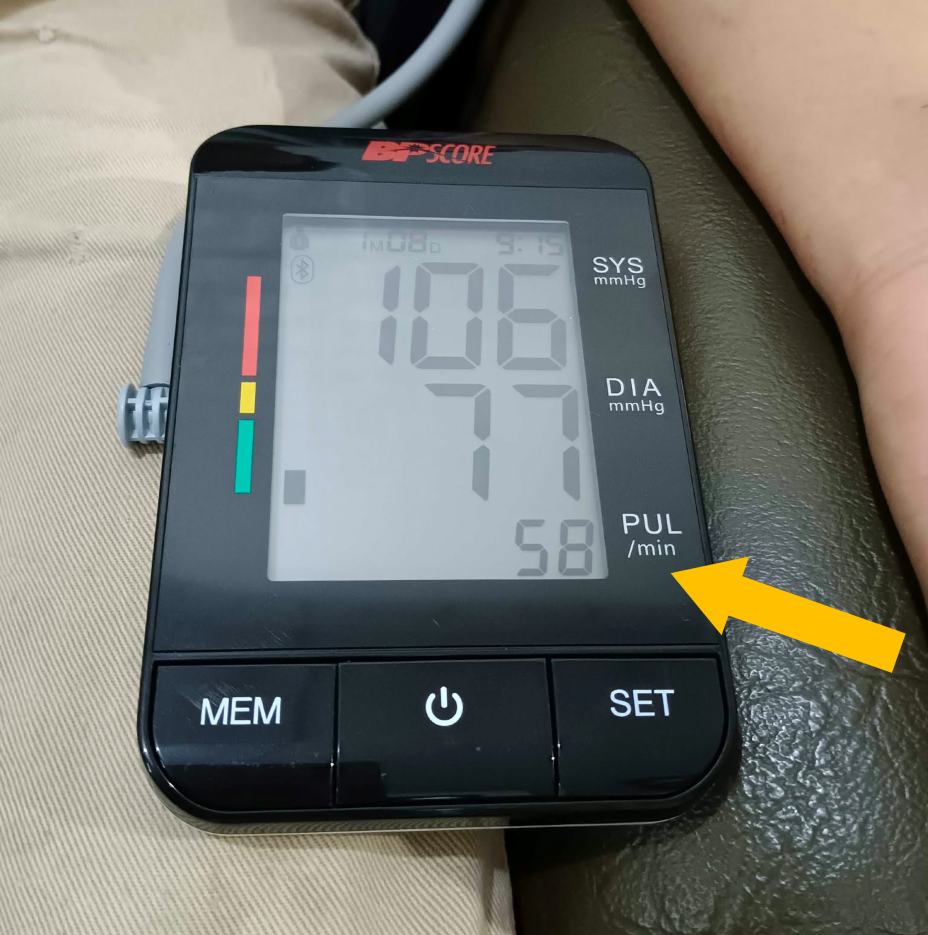
Often pulse oximeters and electronic BP cuffs will give a heart rate as well. If the patient experiences tremors or shivers then the devices could show an incorrect heart rate. When in doubt double check.
Thanks to the Pitakkarn Rescue Foundation, Dr. Honey, Nong Ka, and Yai Lee for help with the photographs. Heroism takes teamwork.
References
Arts, M. M. (2024, July 10). What is a Normal Sleeping Heart Rate By Age? Retrieved from Manhattan Cardiology Care: manhattancardiologycare.com/blog/what-is-a-normal-sleeping-heart-rate-by-age
Cleveland Clinic. (2023, March 15). Vital Signs. Retrieved from Cleveland Clinic: my.clevelandclinic.org/health/articles/10881-vital-signs
Limmer, D. O. (2007). Emergency Care 10th Ed. Upper Saddle River, New Jersey: Pearson Education Inc.
Lapum, J. L., Verkuyl, M., Garcia, W., St-Amant, O., and Tan, A. (2018). Vital Sign Measurement Across the Lifespan. Toronto: Ryerson University.
McEvoy, D., and Harper, T. (2024). Wilderness Medicine, 15th ed. . Missoula, Montana: Aerie Backcountry Medicine.
Sapra A, M. A. (2023, May 1). Vital Sign Assessment. StatPearls.