What should we bring to a water incident? Same as any rescue incident we need personal protective equipment (PPE) and rescue tools. Similar to putting on a mask and medical gloves for an EMS incident, there is PPE that we need to put on for a water incident.
Essential PPE
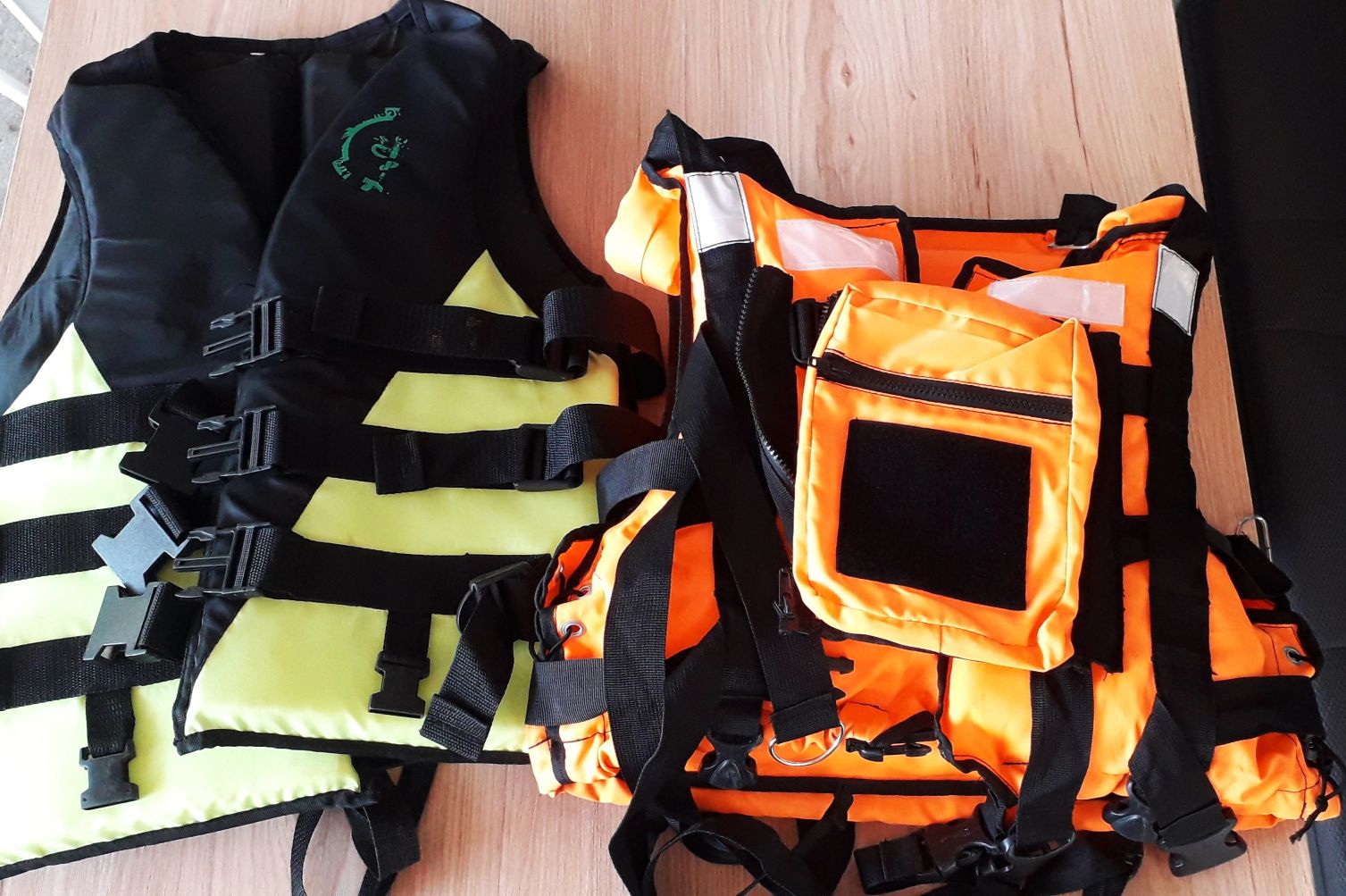
Life Vest (Personal Floatation Device or PFD) เสื้อชูชีพ – life-vests are rated on a scale of I-V or by how much weight they can lift. As we work in areas that are often low income, it can be difficult to afford expensive fancy ‘rescue’ vests for everyone. The most important features are that the vest should fit and is durable enough to survive a rescue incident.
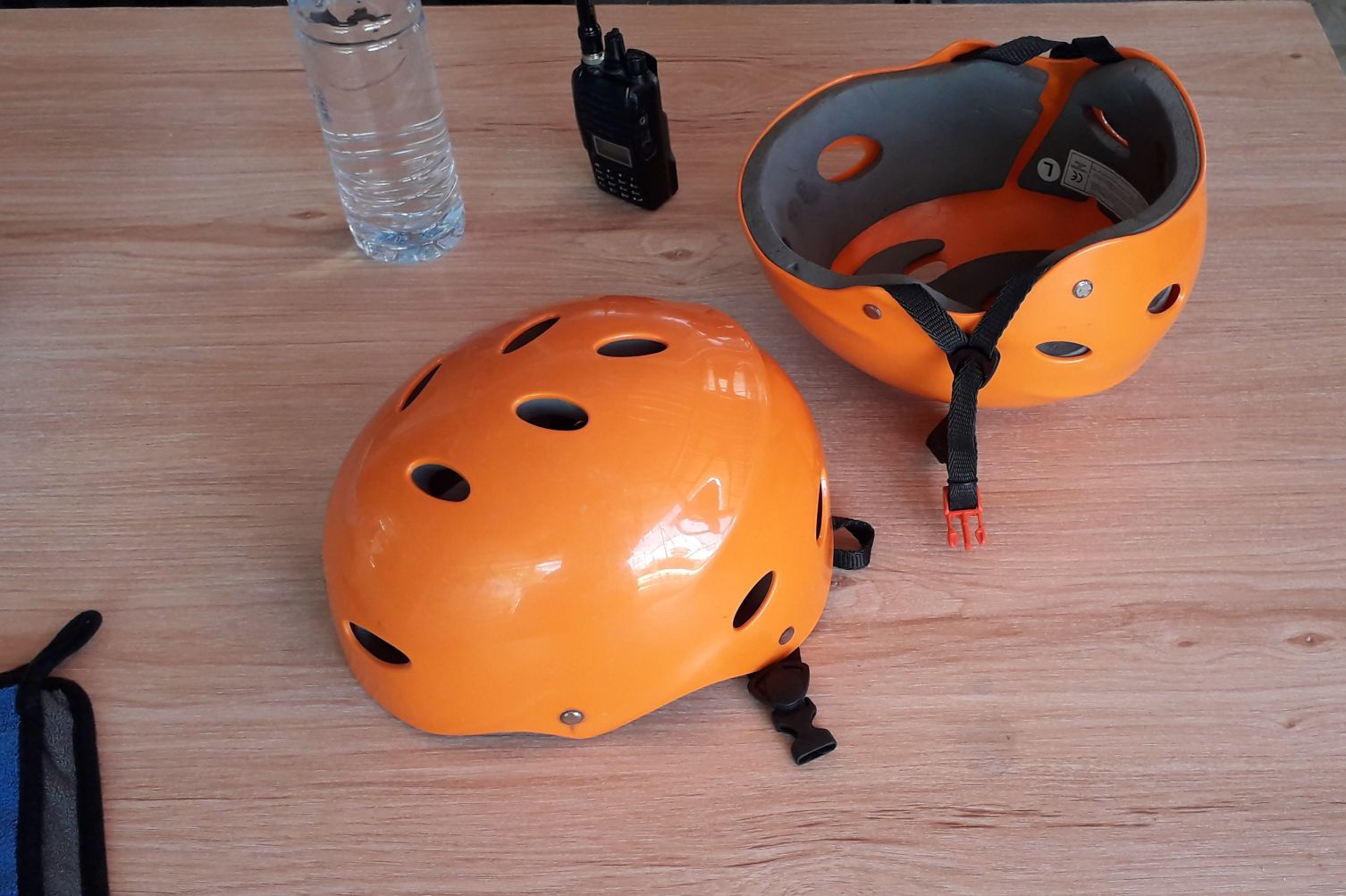
Helmet หมวกกันน็อค – Ideally, we should wear helmets that meet a whitewater standard, the most common current standard being EN 1385:2012. Helmets used at water incidents should provide field of vision, be able to take multiple hits from the top and sides, and have ventilation holes (without holes it becomes a bucket on your head).
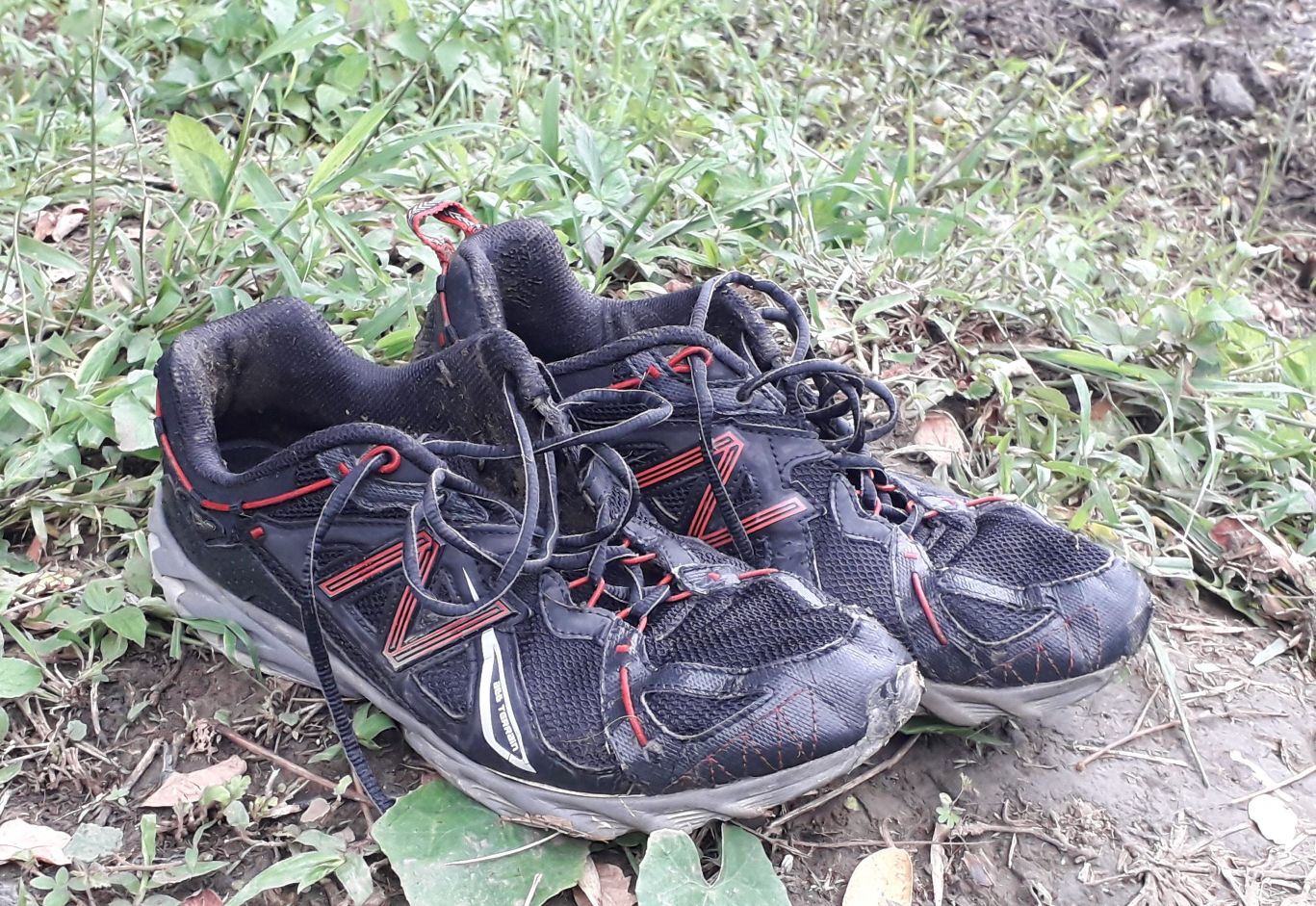
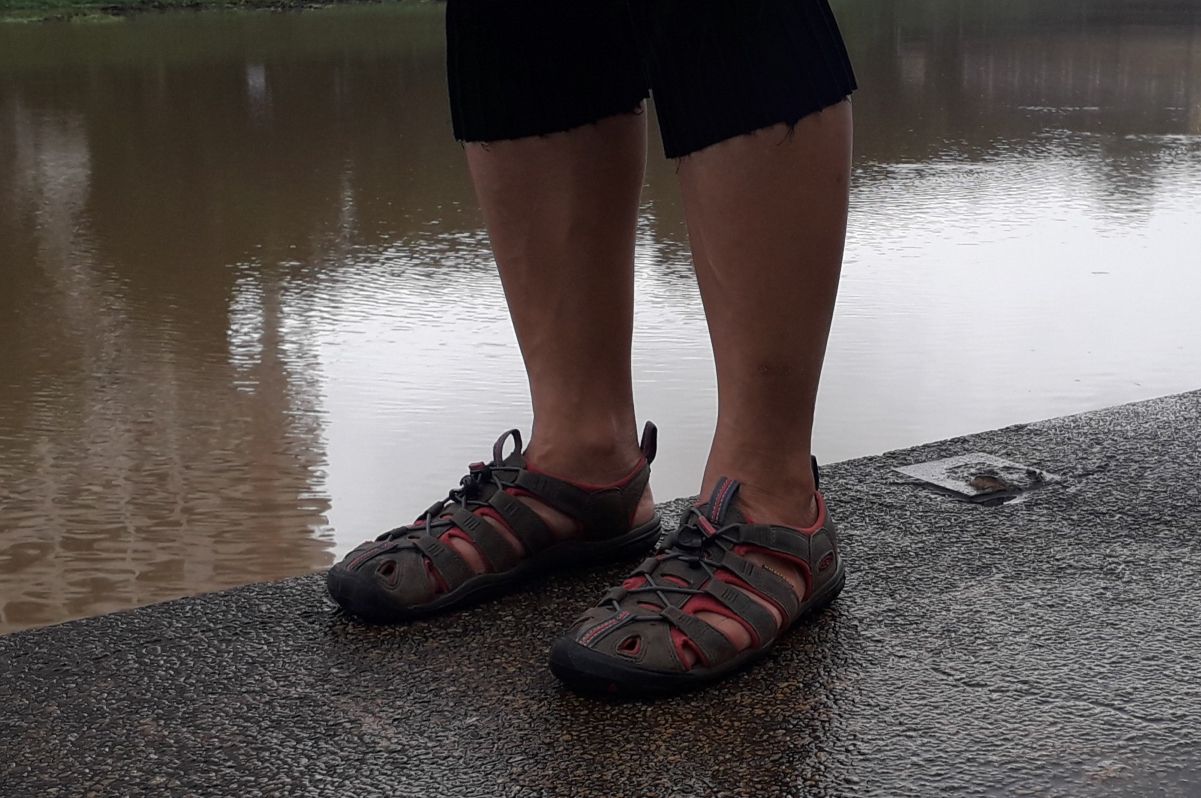
Shoes รองเท้า – Shoes protect from sharp and hard objects. Shoes should stay on when wading in rushing water, thus there needs to be a strap or back over the heel. There are several different types of special shoes for working in the water such as, sandals (consider toe protection), water sneakers, barefoot shoes, boating shoes, and wet suit booties. Do not wear rubber boots (wellies) as these just become foot buckets. The old-style method of wearing old sneakers that will drain water gives an affordable option for people with a tight budget.
Any unit responding to water related incidents should have the following items stocked ready to respond along with their life-vests and helmets.
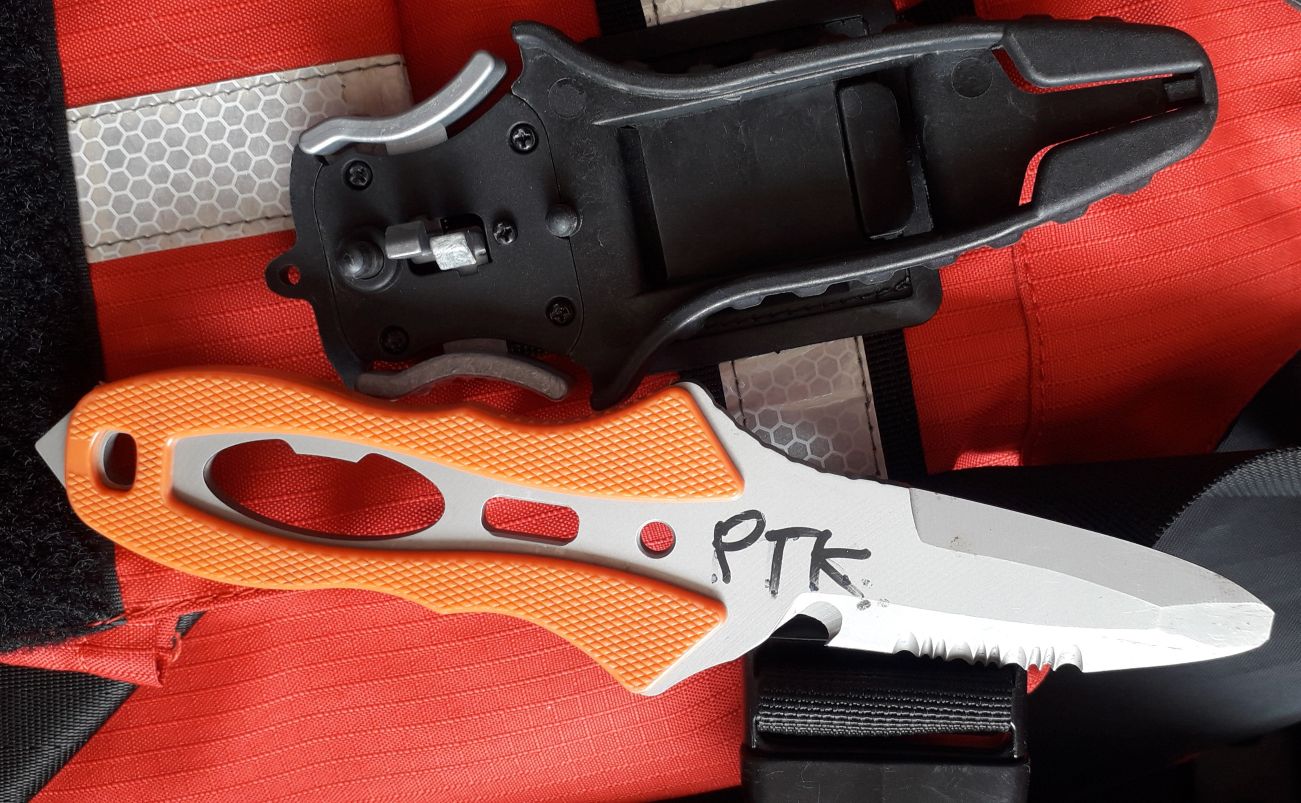
Knife มีดเล็ก – Knives cut entanglement hazards like ropes, fishing line, nets, and vines. This should be a small sheathed knife with a short string securing it to the life vest with serrations for quickly cutting. A small knife is safer for water work than a large knife that catches on things.
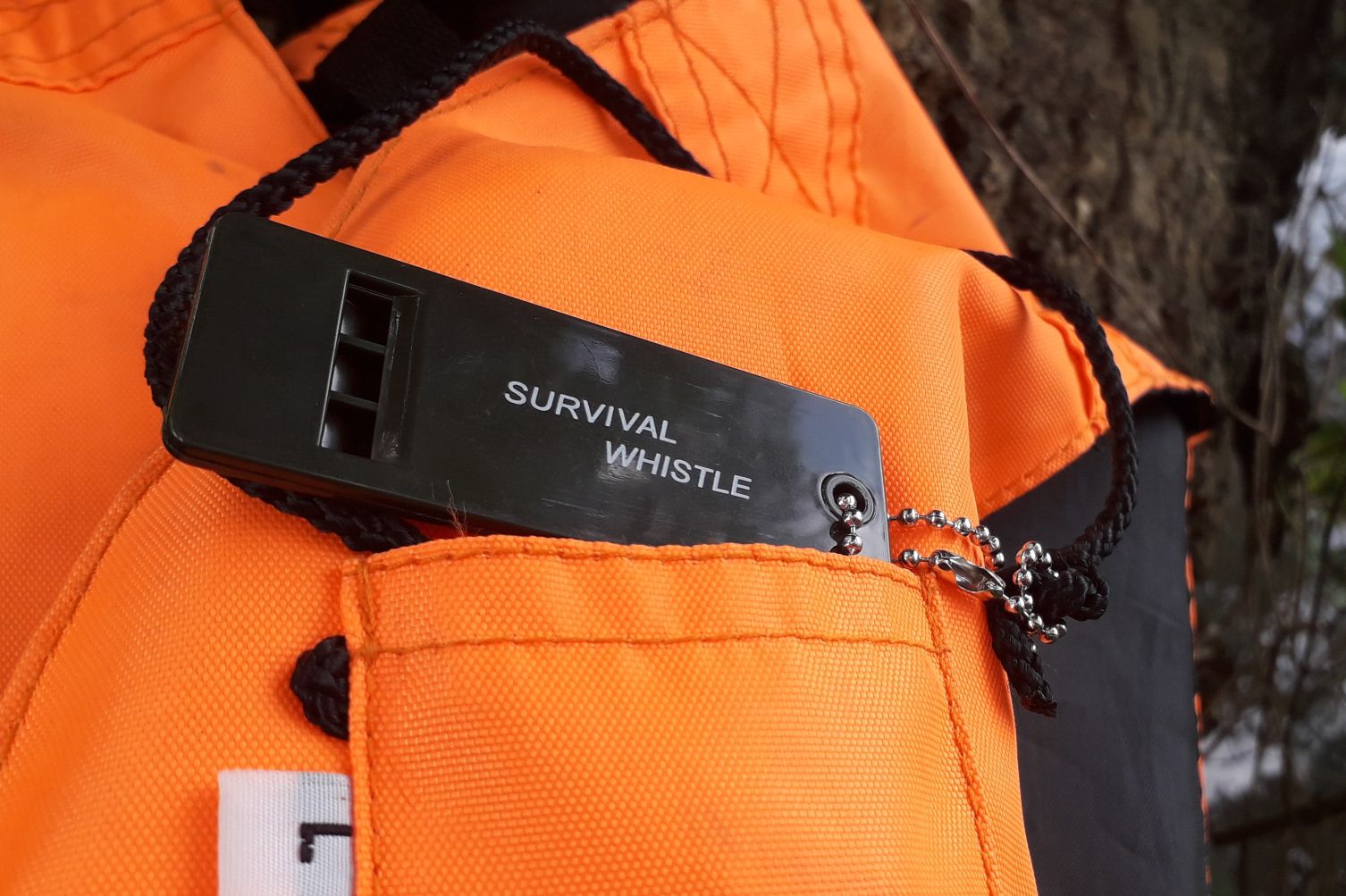
Whistle นกหวีด – A whistle to signal others in the loud rushing water. It should be safely secured on the life vest with a short string. If the string is too long the whistle can get tangled or caught on something in the water.
Additional PPE
We recommend having the above listed items ready to go for any water related incident. A lot of other specialty PPE items exist that can help make rescue operations go easier. Here are a few;
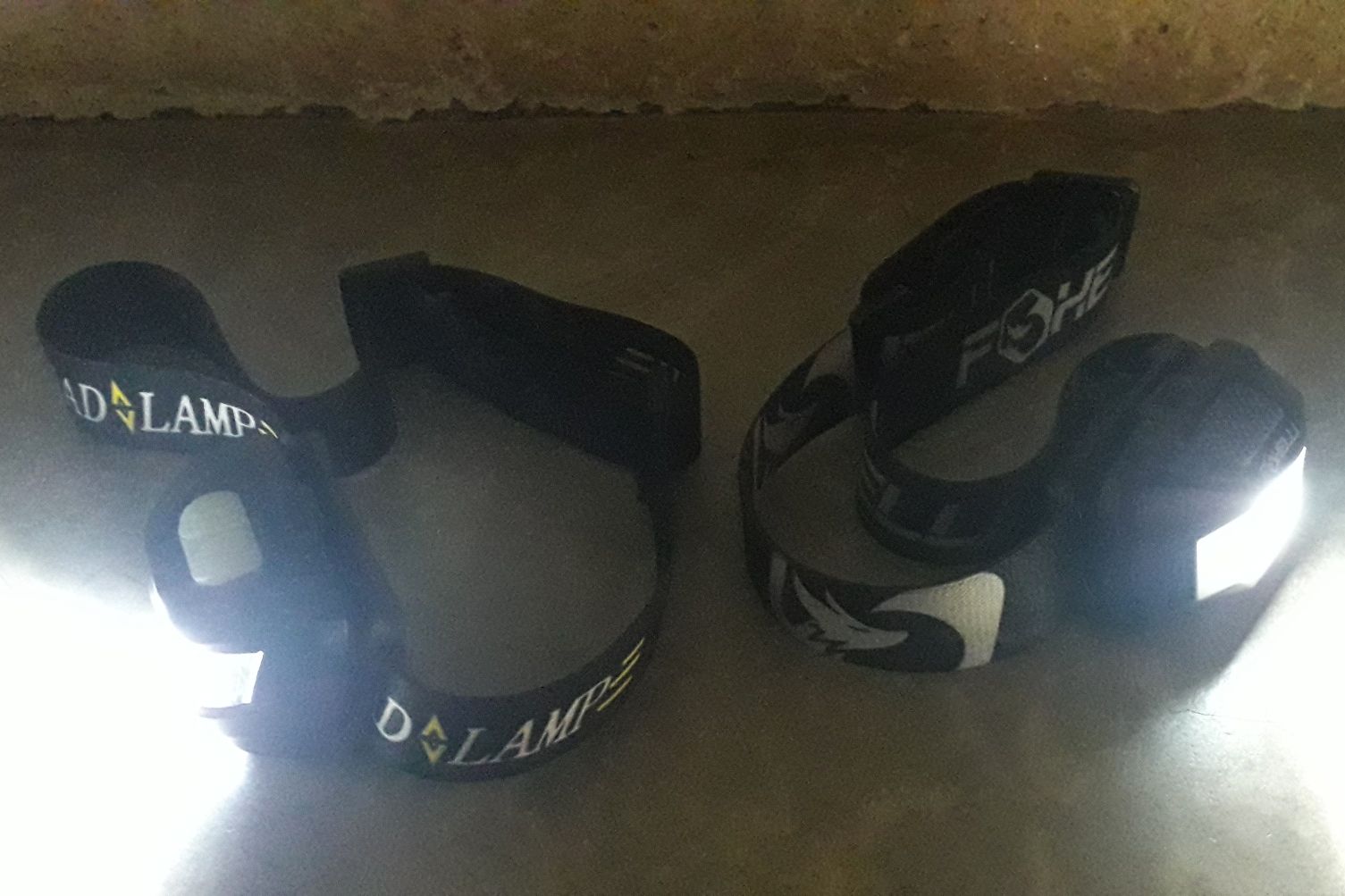
Lights ไฟฉาย – Lights give visibility in night time operations and also to mark your position. A rescue operation might start in the day, and continue into the night. Many helmets have small hooks to hold a head lamp strap. Chem lights can often be used to mark rescuers or access ways.
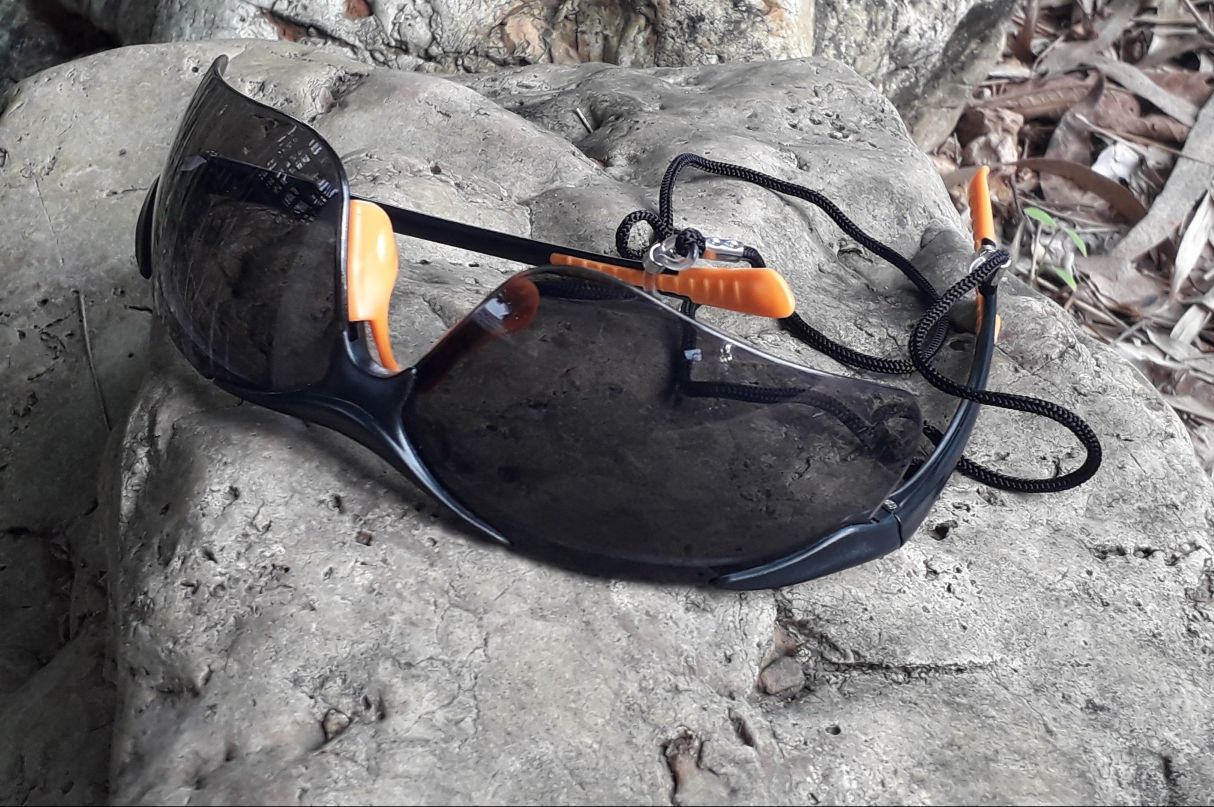
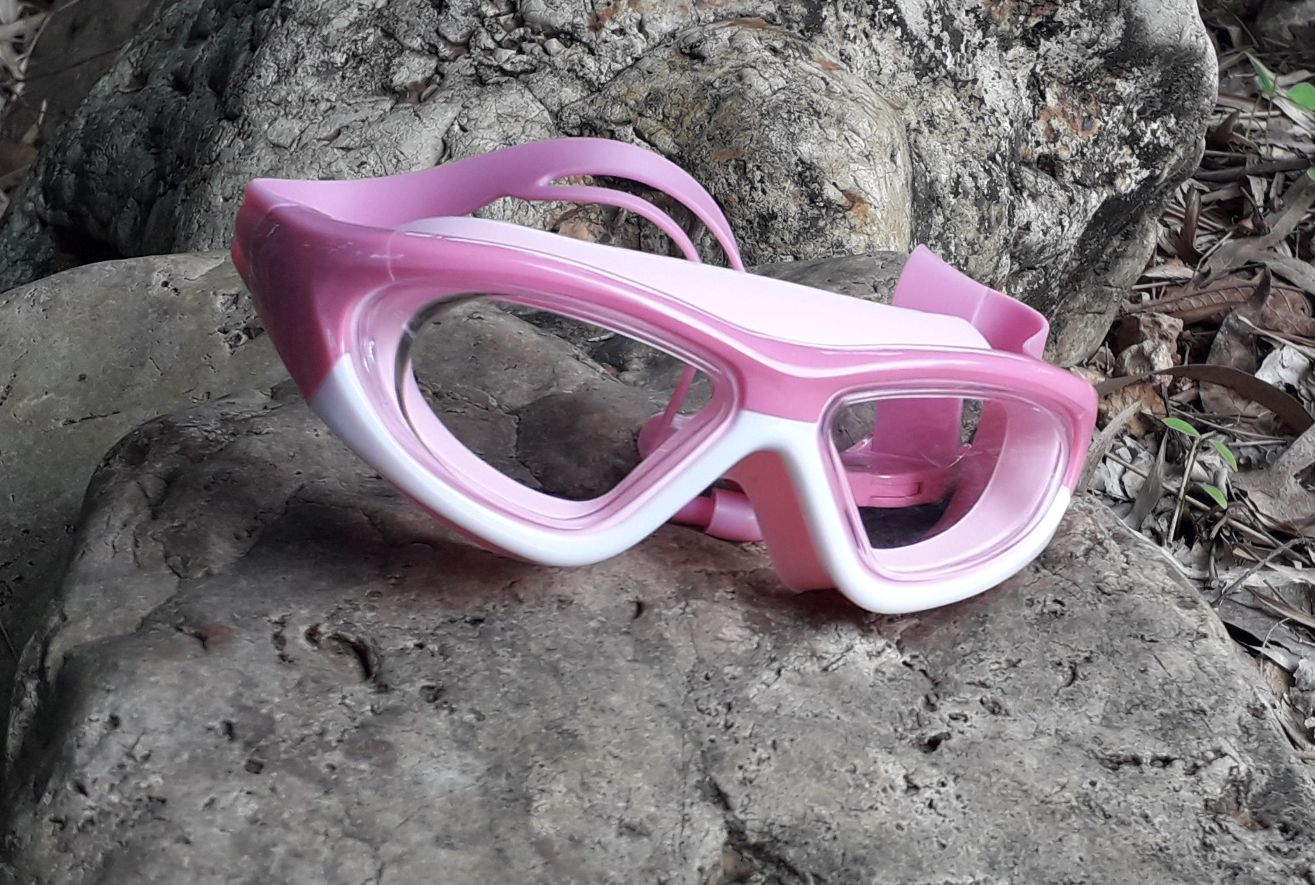
Eye protection เเว่นนิรภัย – Could be swimming goggles or just sunglasses to protect from getting a stick in the eye and the glaring sunlight. If wearing sunglasses, have some kind of strap to keep from losing the glasses.
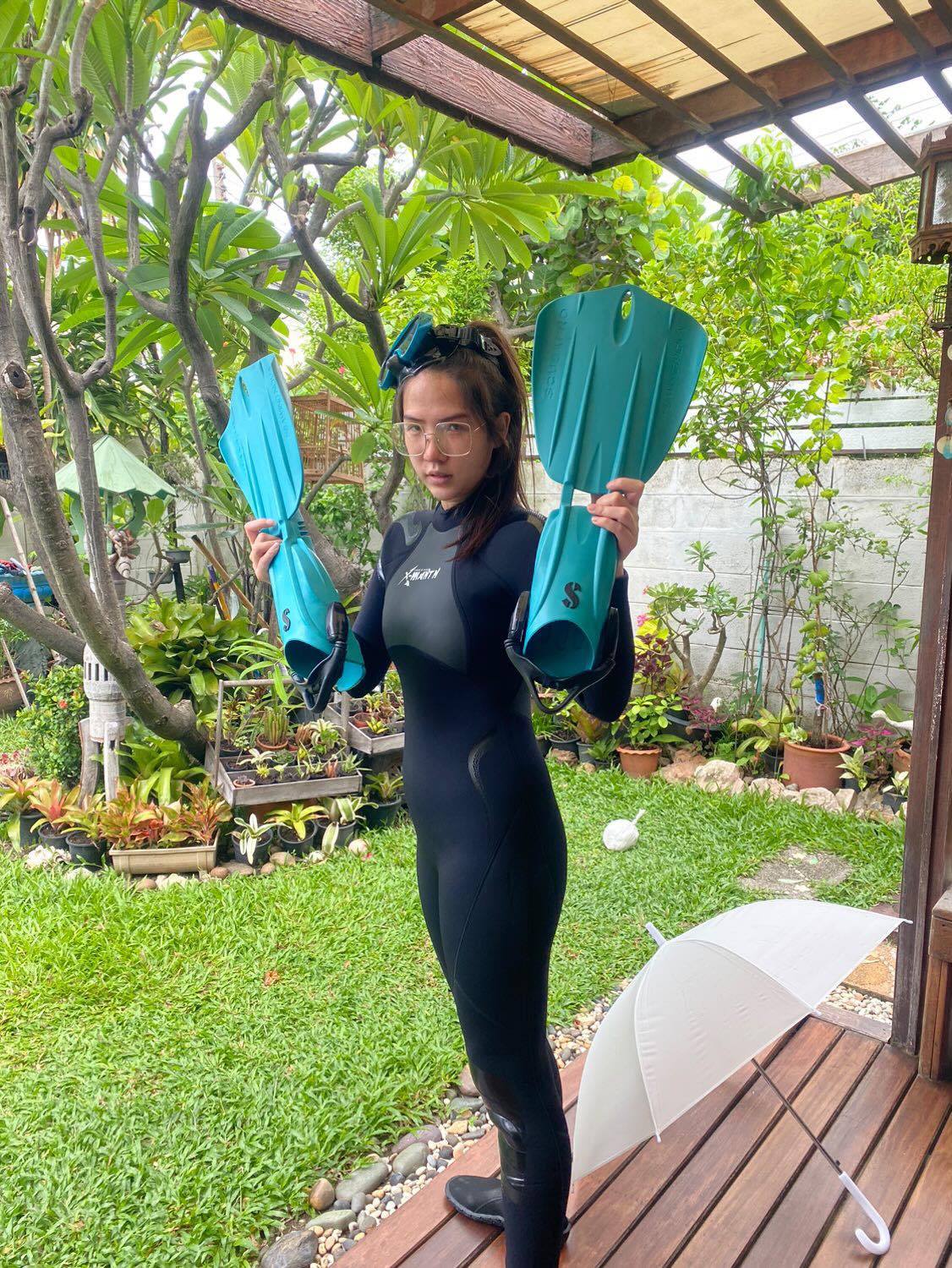
Wet suits ชุดประดาน้ำ – Wet suits protect from the cold (remember water temperature is a hazard, read about it in the previous blog). Wet suits fit tightly to the body and allow some water to get in. While buoyant wet suits do not replace life-vests.
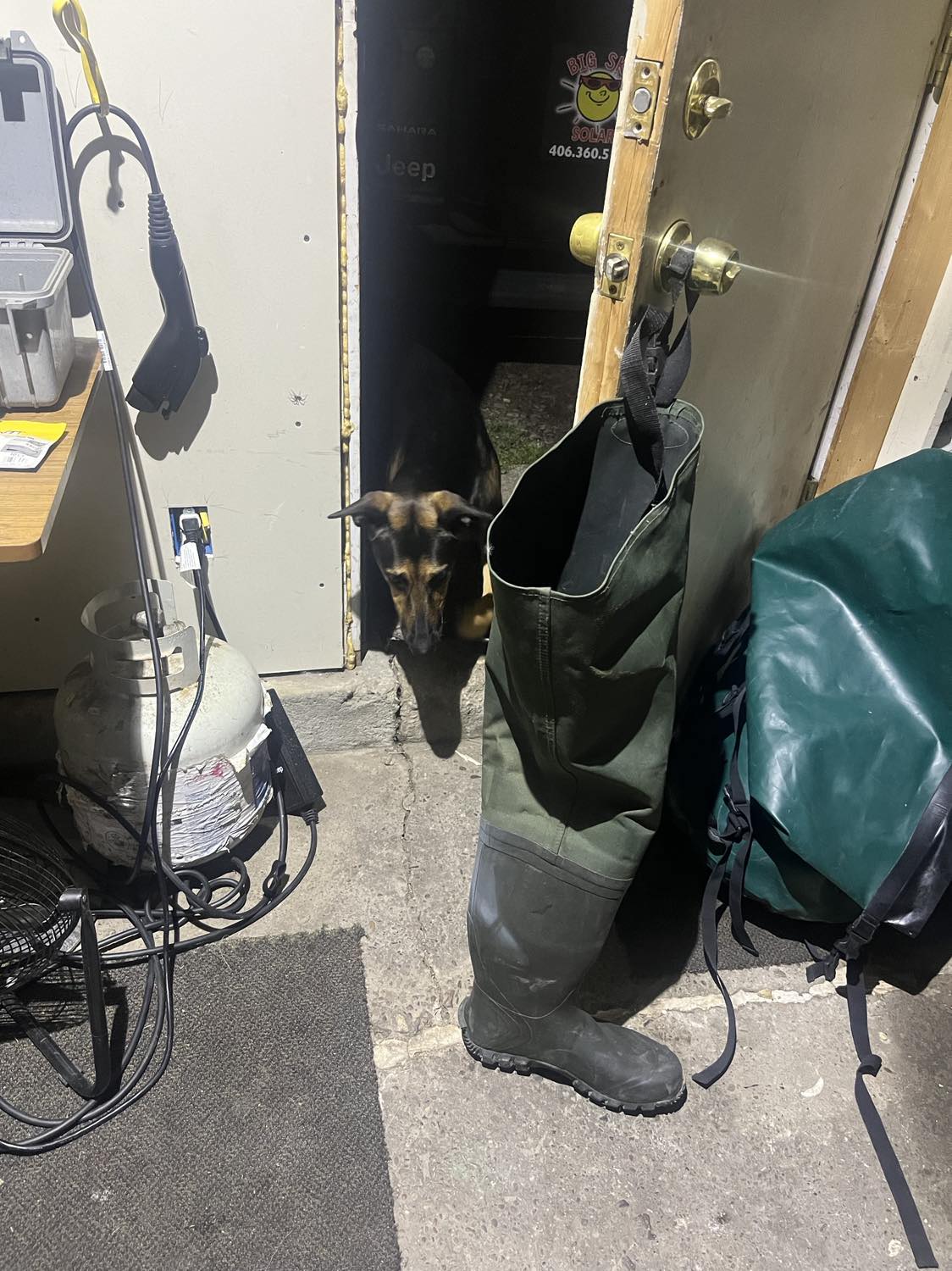
Waders กางเกงลุยน้ำ – Wading pants are sometimes used in floods where water is slow or not moving, especially with sandbagging, neighborhood evacuations, wellness checks, and food distributions. Waders should not be used in high and/or fast moving water or they can fill with water and become wearable buckets.
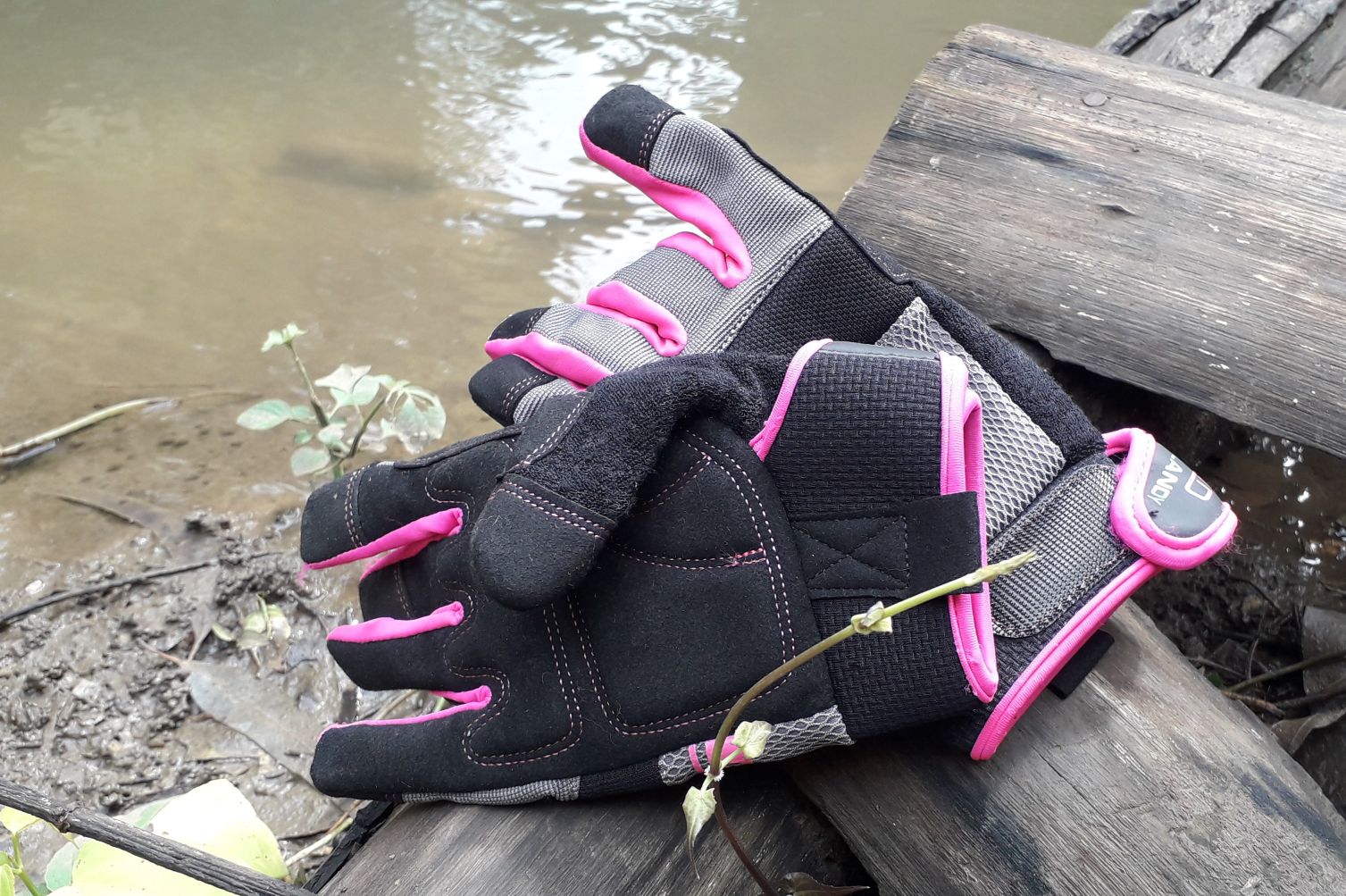
Gloves ถุงมือ – Hands need protection from scratching, cutting plants, burns from ropes, and other items that may be in the water. These can either be specialized water rescue gloves or repurposed old biking gloves.
Wet suits start to enter the technician level of rescue. Technician level PPE might also include fins, dry suits, snorkels, and river boards. Again, rescue technician requires training and practice.
Rescue Equipment
We should always show up prepared to do something even if we have not fully assessed the situation. Never show up empty handed to a rescue. While many different rescue tools exist, below is a list of common tool options.
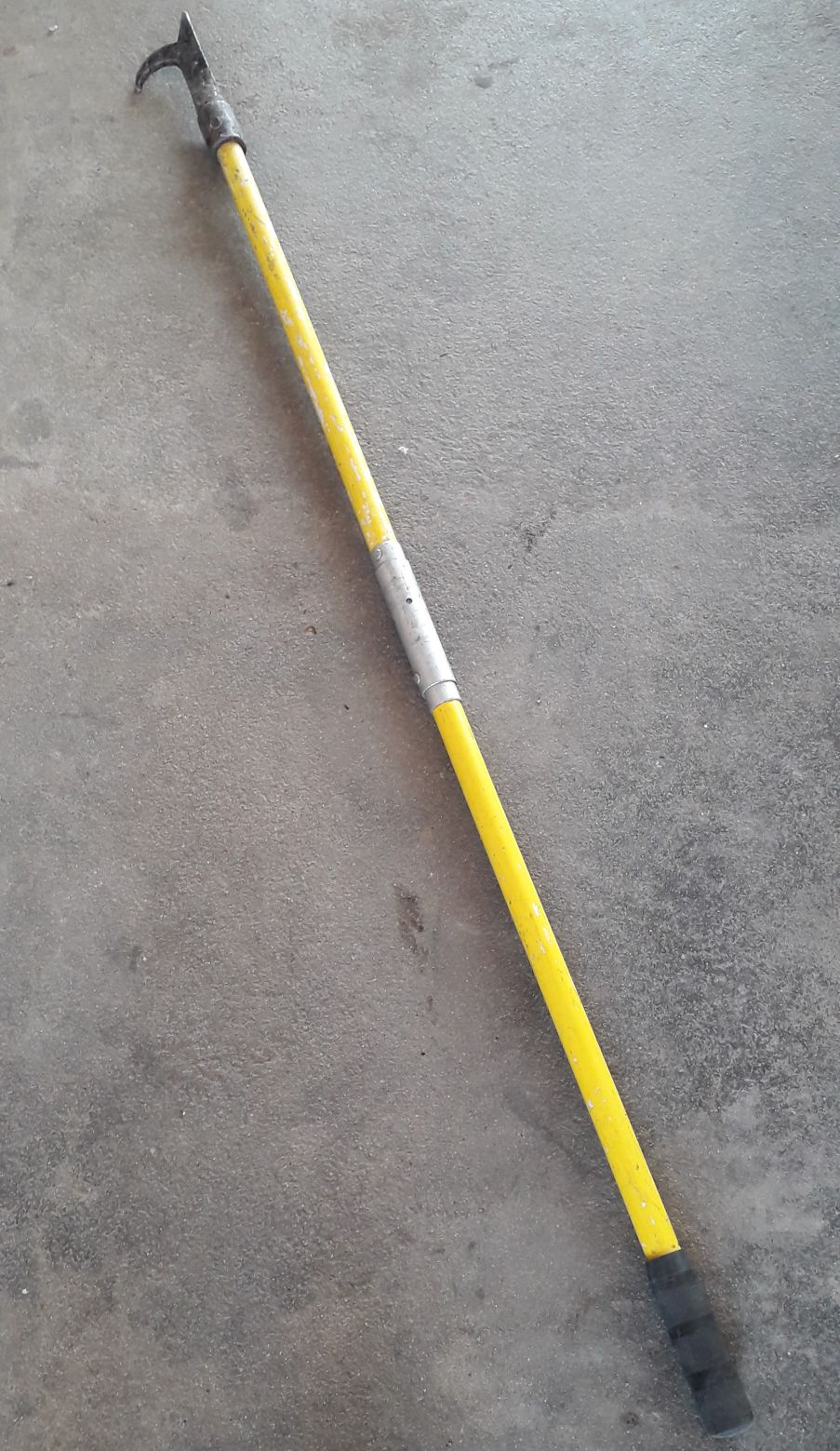
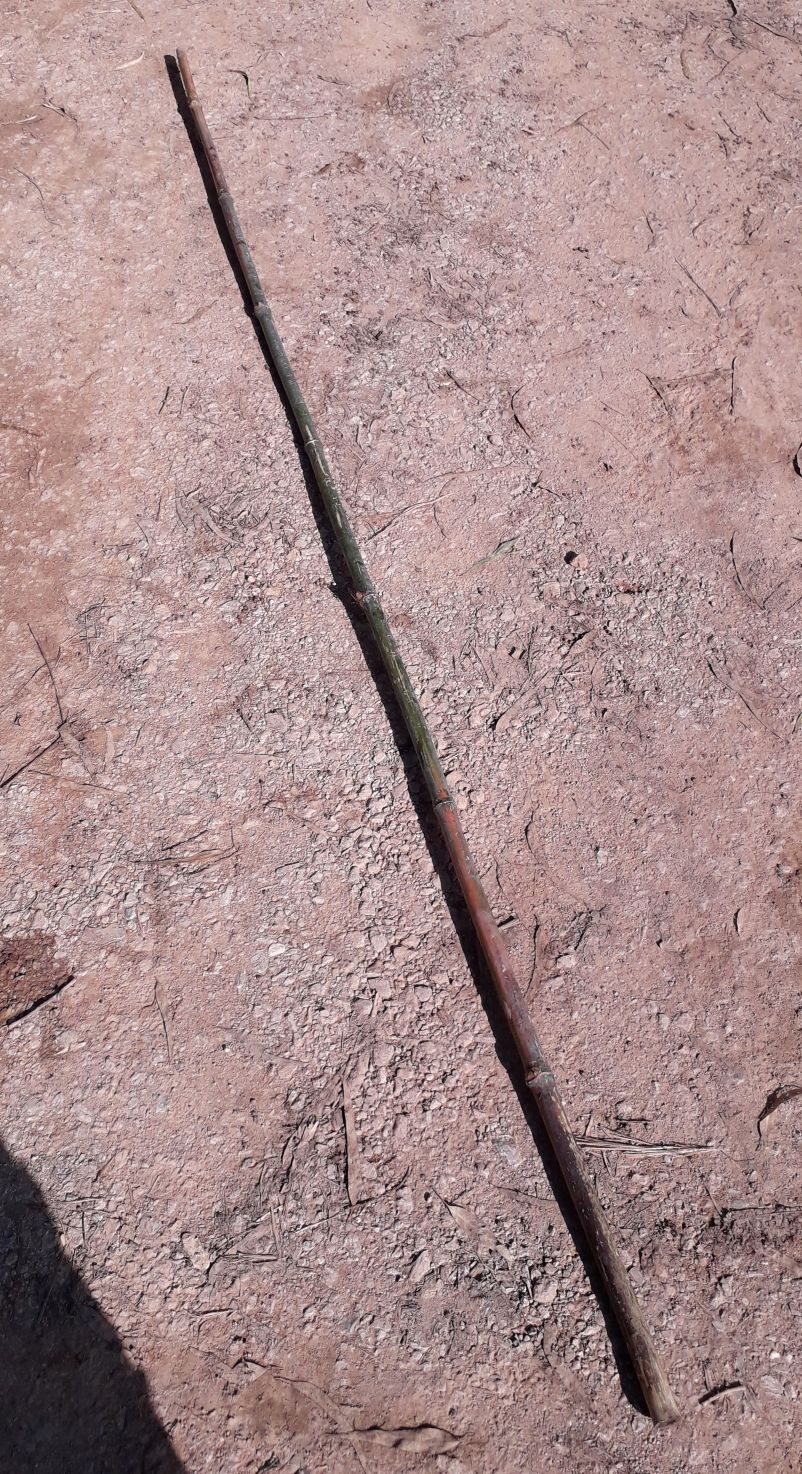
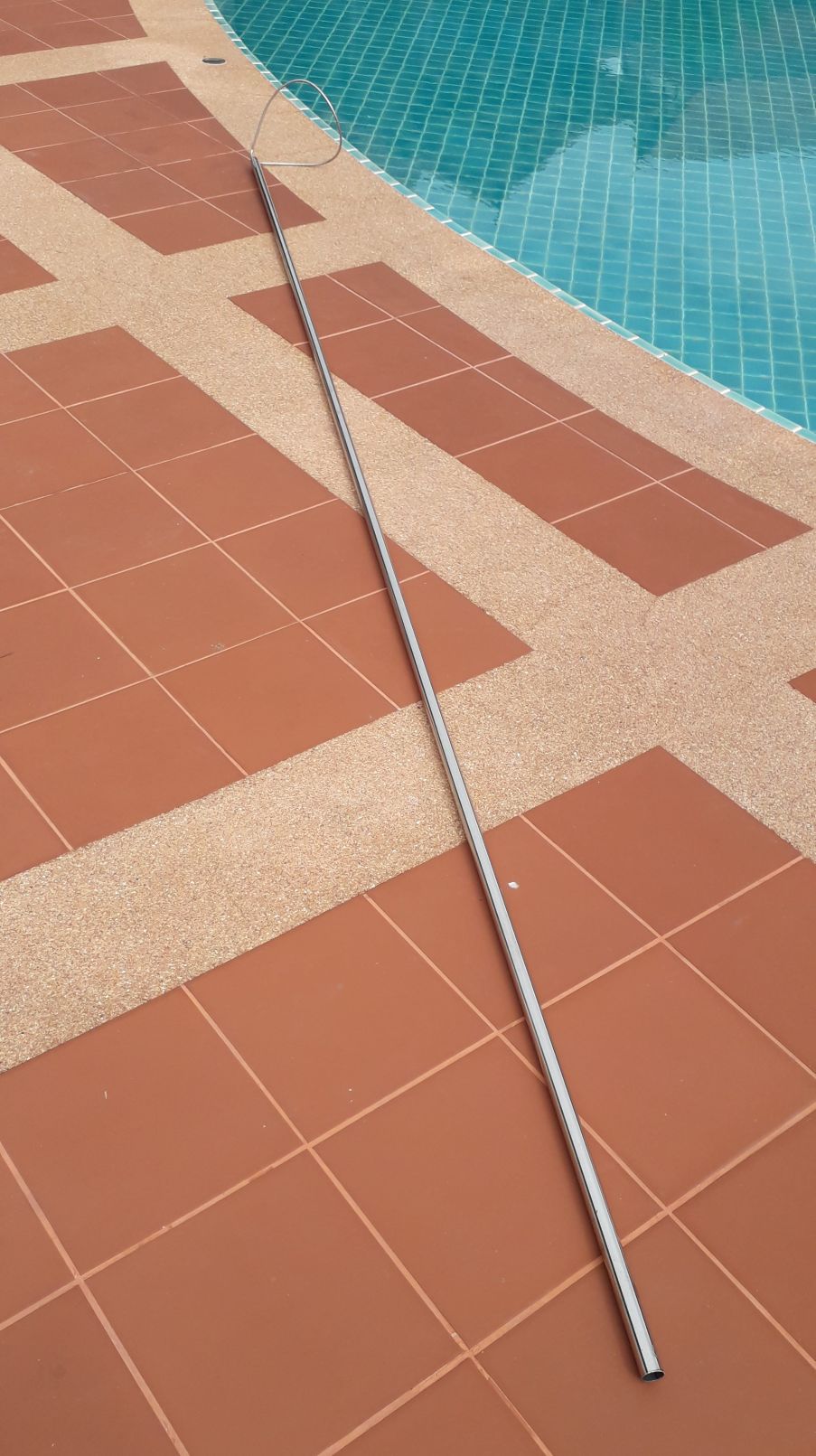
Reaching Pole ไม้ส้าหรับยื่น – Shepherd’s hooks, reaching poles, pike-poles, PVC pipes, tree branches, pieces of bamboo can all be used to make reach rescues of someone drowning a couple meters from the river bank. This almost counts as PPE as a walking staff gives support in walking across a rushing stream or be used to probe the ground in front. Shovels and hoes are common tools for working around floods.
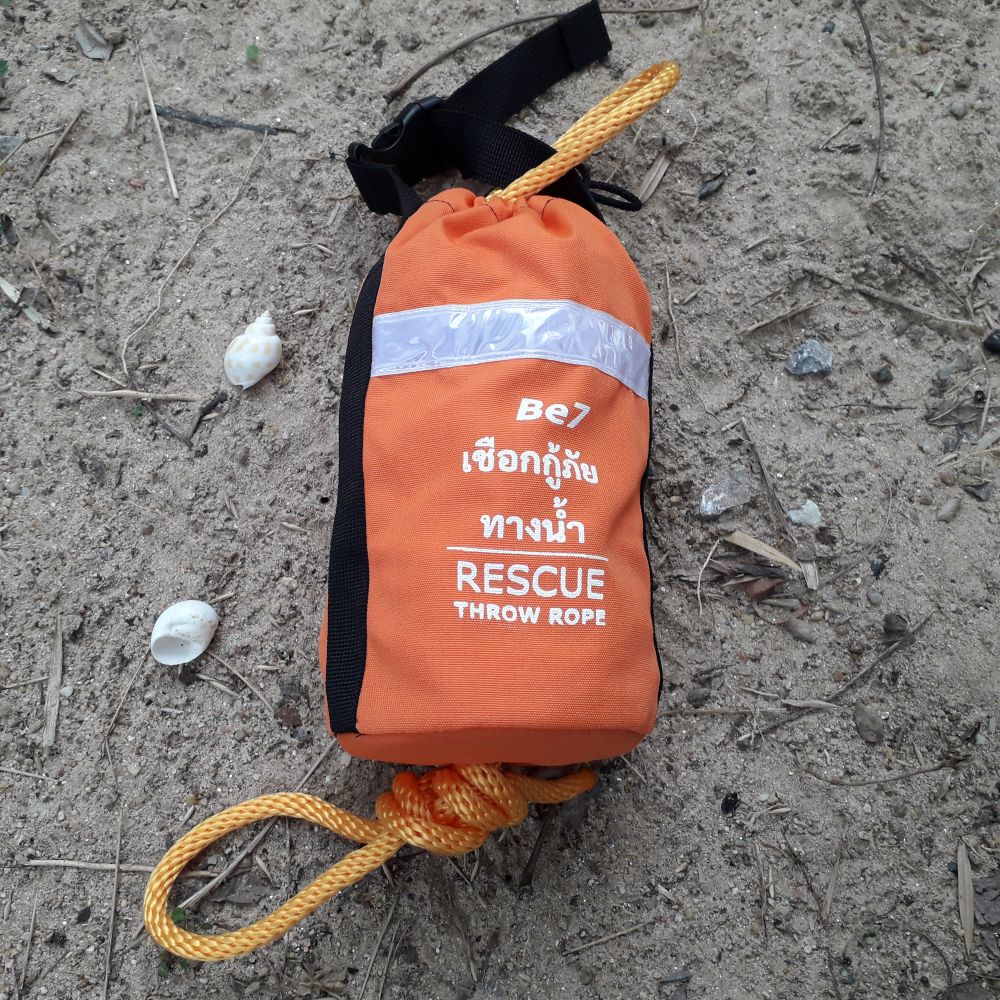
Throw Rope เชือกกู้ภัยทางน้ำ – approximately 8mm or 9 mm polypropylene rope about 15-23 m stored in special throw bag or plastic rope bottle for quick deployment.
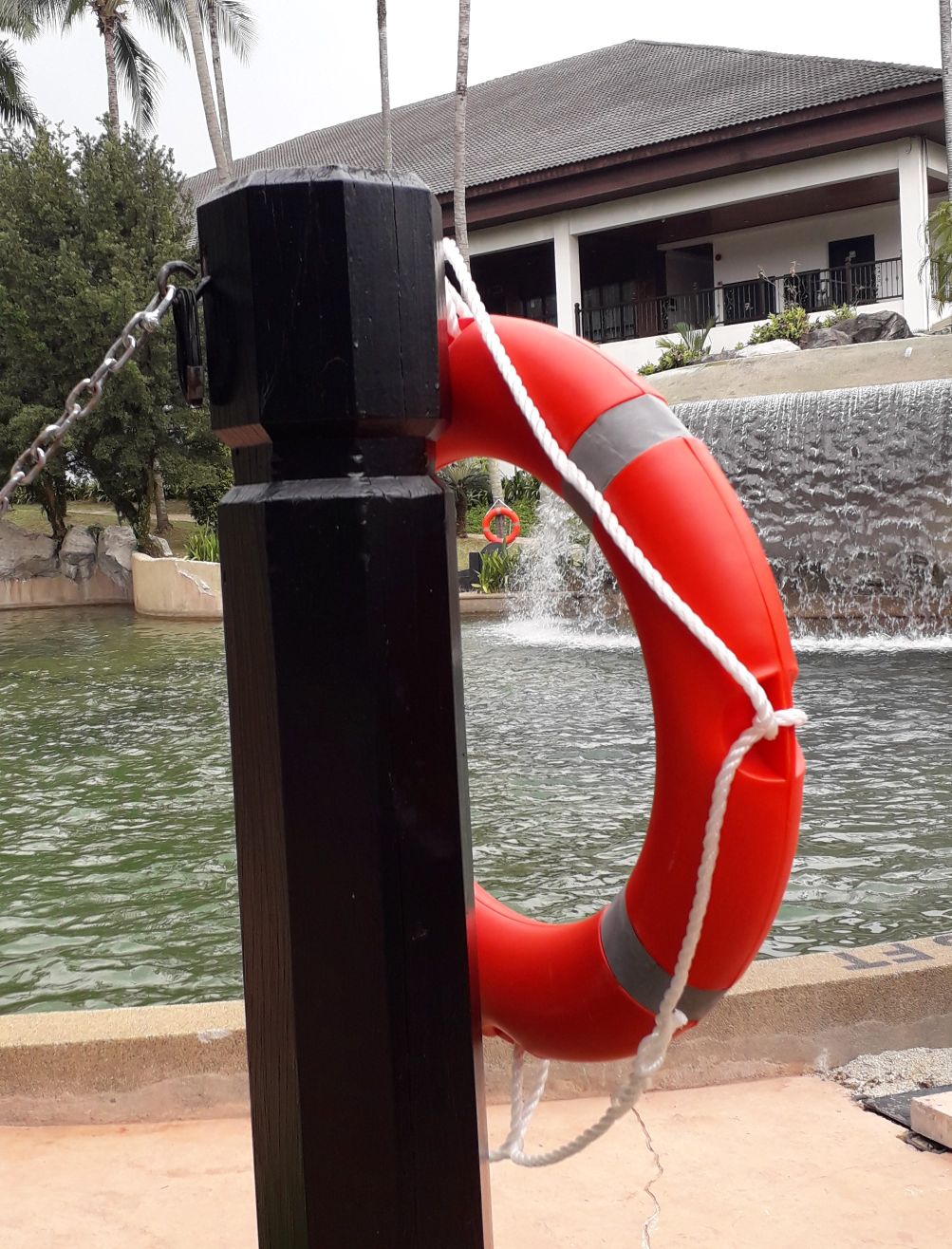
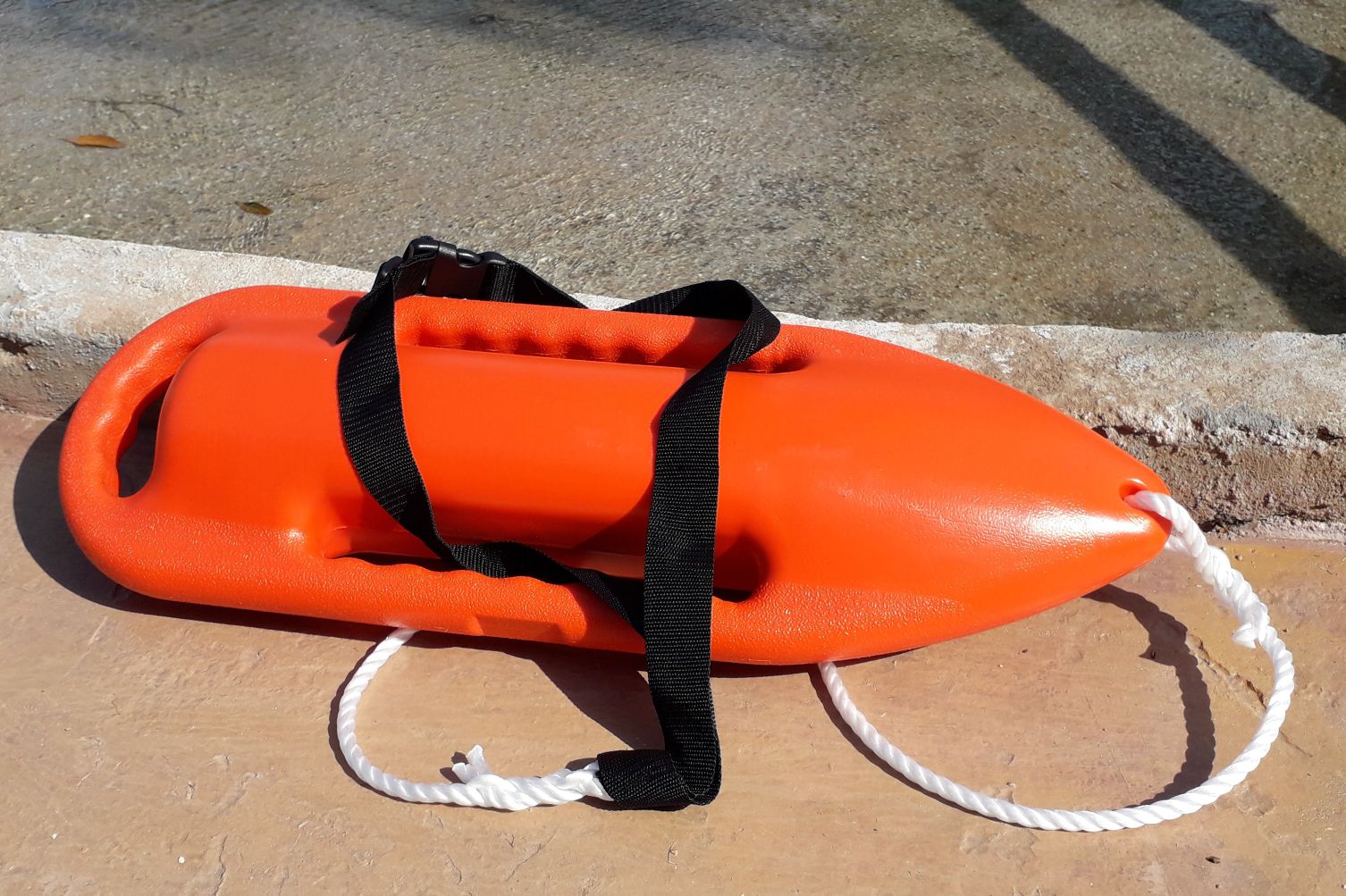
Flotation Device ทุ่นช่วยชีวิต – Various flotation devices can either be thrown or carried to victims in the water. If your organization decides to have flotation devices consider options that can withstand getting tossed around in a rescue vehicle, as some cheaper options may be made just to hang next to a swimming pool.
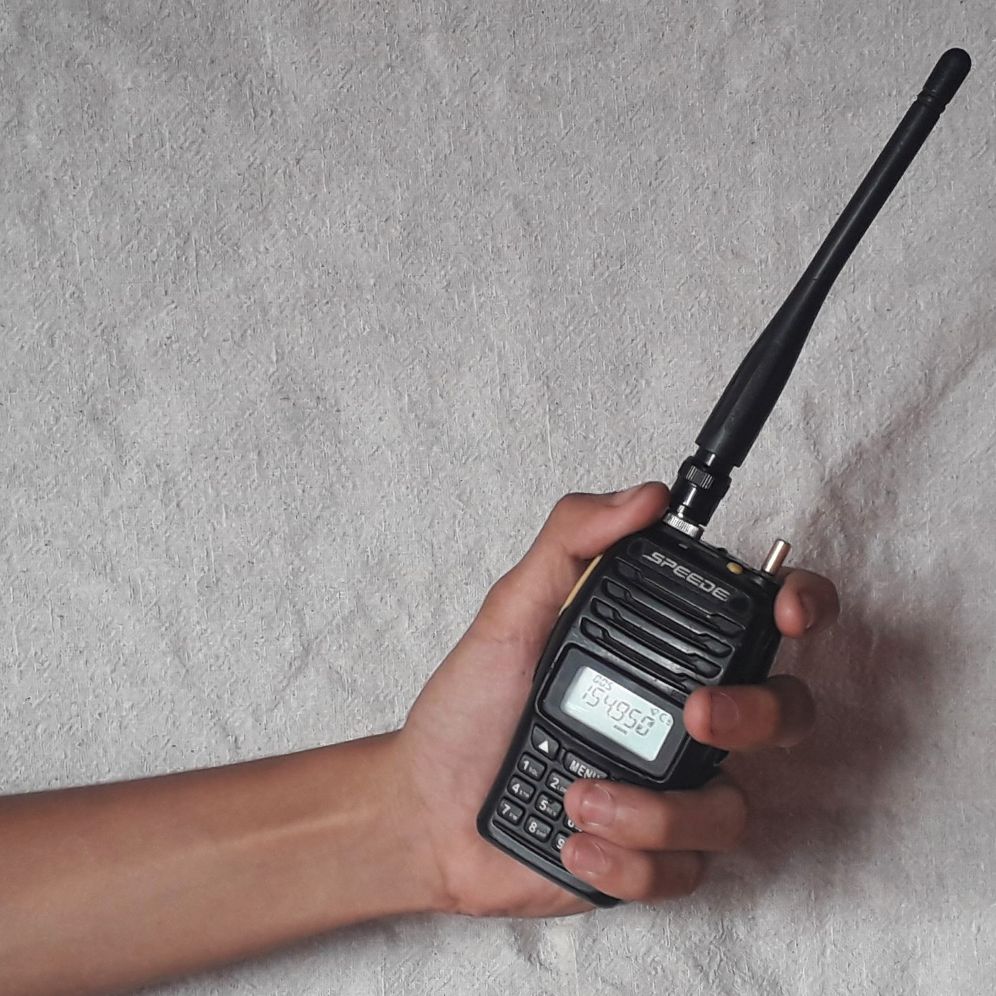
Radio วิทยุ – Communication often becomes difficult at water incidents with noise and incident scenes that are spread out. Several options for using radios near the water exist, from encasing radios in water proof bags to using water resistant radios. Most often we designate one member of each team as the radio person who avoids dropping the radio in the water.
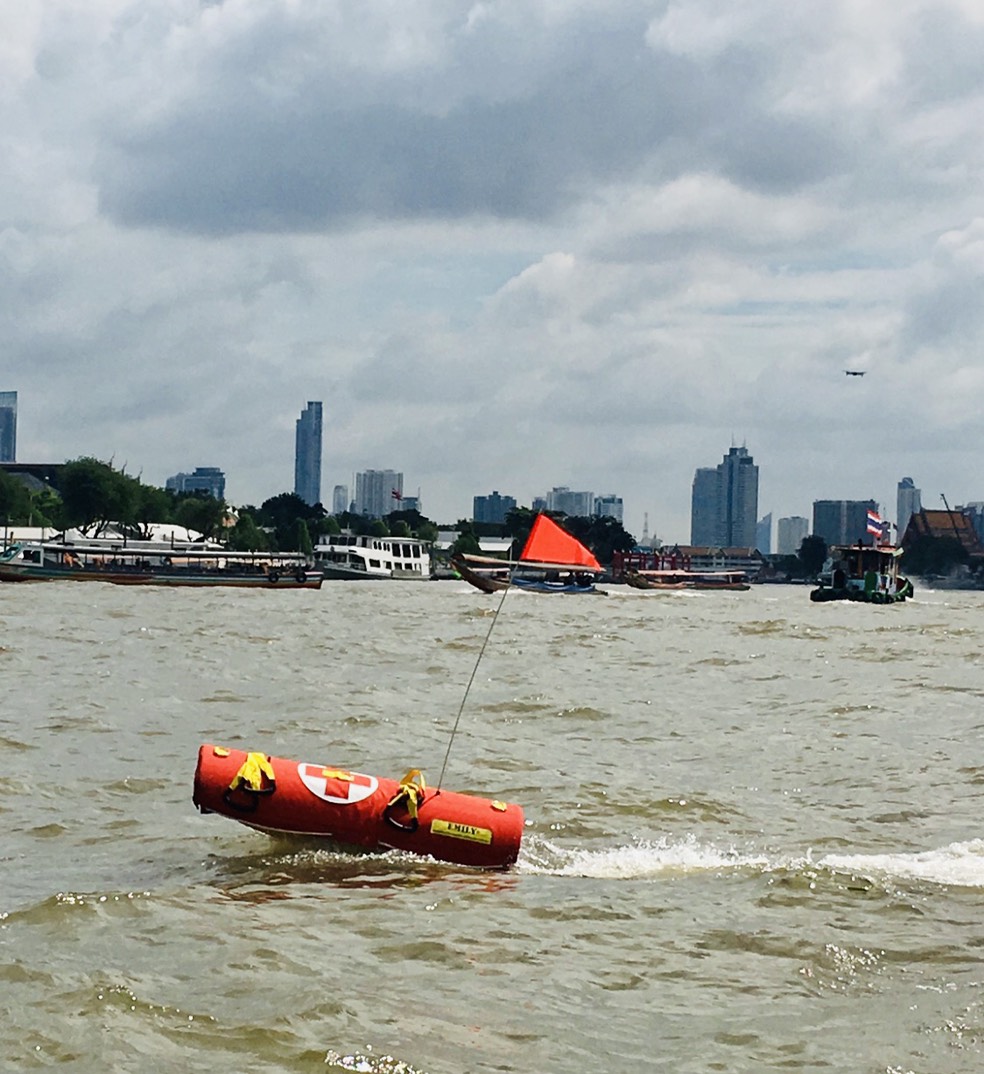
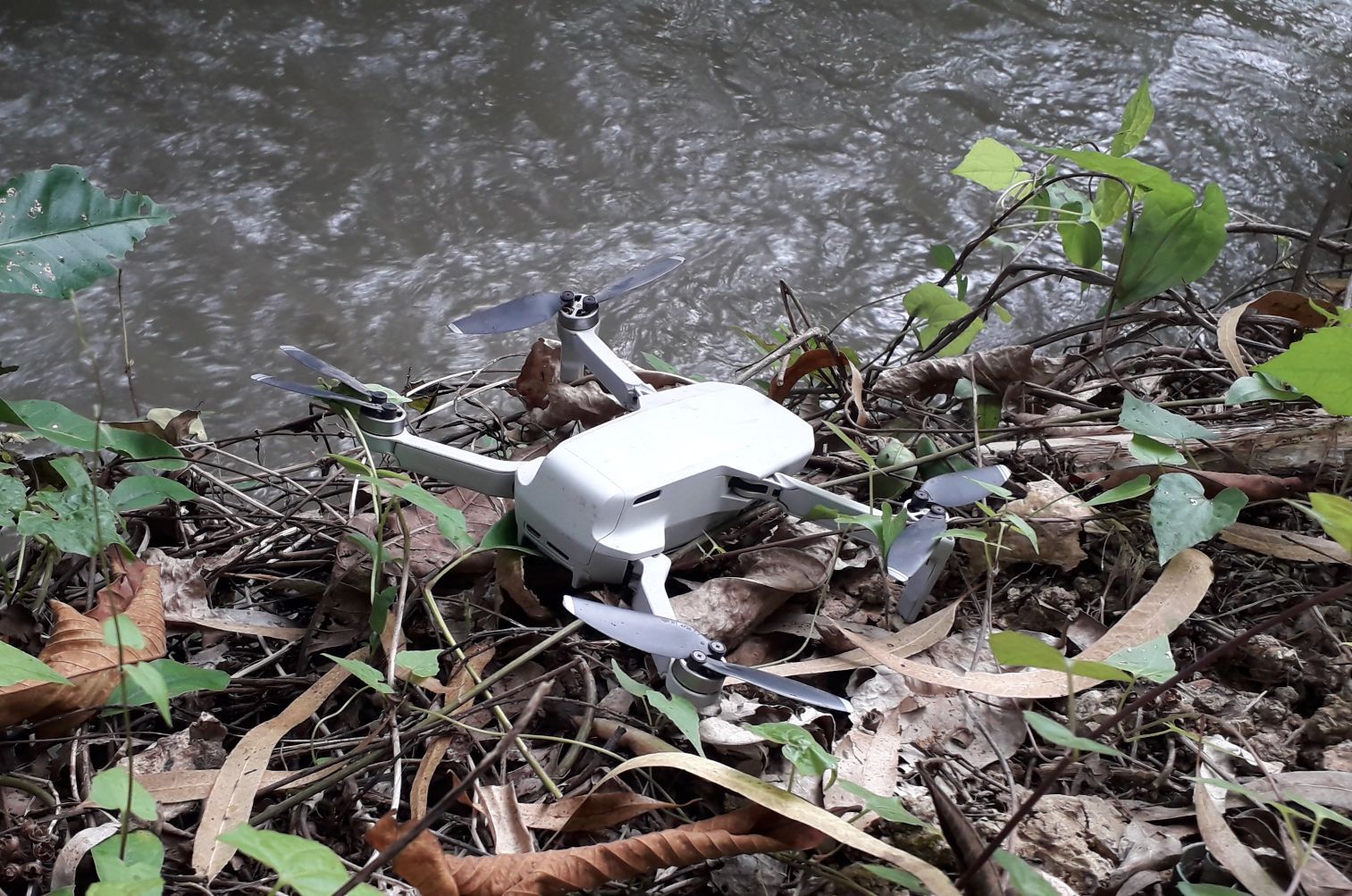
Drone โดรน – Drones can often access the incident scene where it is difficult or dangerous for rescuers to get to. Creative uses for drones at a water rescue scene include visualizing the scene, communicating with victims, ferrying rescuers across water, and even rescuing victims. While I believe robots help replace putting rescuers into the dangers of swift water, robots will only be as good as the operator, and will only work effectively with training and practice.
If we do not know which exact tool we will need when exiting the truck, our team should carry an assortment of tools the same as we carry a variety of rescue equipment when walking into a medical scene.
Once we realize that our unit will be responding to water related incidents, we should work to build our stock of PPE and rescue tools and have it ready to respond. Equipment only works well in the hands of experienced rescuers, so practicing with water rescue equipment is just as important as having it. And remember working around the water is a team effort. Reading about water rescue continues here.
Thank you to Christine Lustik for help editing, to K. Wee for help with translation, and K. Krittaya, K. Polly of CCTECH (check out their water rescue drones), Nong Prae, Pi Earth, Joe Scott, Nigel Giblin, and Pitakkarn Rescue Foundation for help with photos.
References
Chaikul, T. (. (2014). Maritime and Aquatic Life Support Guidelines Manual. Nonthaburi, Thailand: National Institute for Emergency Medicine.
Phillips, K. (2012). National Park Service Swift Water Rescue Manual. United States Department of the Interior, National Park Service.
Royal National Lifeboat Institution. (2017). Flood Rescue Manual. Dorset, England: Royal National Lifeboat Institution.